
Co-designing a support group for people living with language led dementias.
Primary progressive aphasia (PPA) is a dementia syndrome that affects the parts of the brain responsible for language. Having PPA can make it difficult for someone to understand what others are saying, to find the words they want in conversation, and to read and write. PPA is a less common type of dementia. Many community members and health professionals are unaware of PPA. As a result, people with PPA and their care partners can feel isolated. Many large metropolitan cities in Australia and around the world have developed support groups for people with PPA, mostly led by speech pathologists. There have been no such groups in Tasmania, and due to much of the population being geographically dispersed and living in regional and remote areas it can be difficult to come together to connect with others.
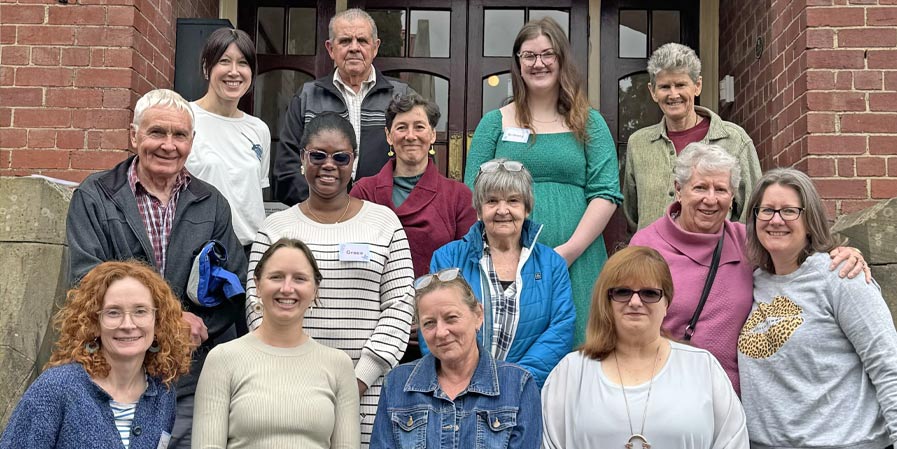
In November 2024 we brought together a group of people with PPA and their care partners to co-design a support group. Our project team was led by Associate Professor Jade Cartwright and included speech pathologists from across Tasmania as well as Dementia Australia advocate Natalie Ive, who lives with PPA in Victoria. We advertised the co-design project across Tasmania and brought together 5 people diagnosed with PPA and their care partners for a weekend workshop. This co-design project was funded through the Tasmanian Collaboration of Health Improvement Philanthropic Grants. Over the course of the weekend the group quickly bonded over their shared experiences. One group member described this: “We can support each other. We don’t feel so alone.” Key themes from the discussions included not losing the person in the diagnosis and the need for advocacy.
Group members stated: “We need ongoing support.” “As a community I think we need to understand, you’re not stupid if you can’t get your words out, you just have to give somebody enough time.”
One of the outcomes from the initial meeting was the desire for an ongoing group. As one group member stated: “We want this to happen. It’s got to happen!”
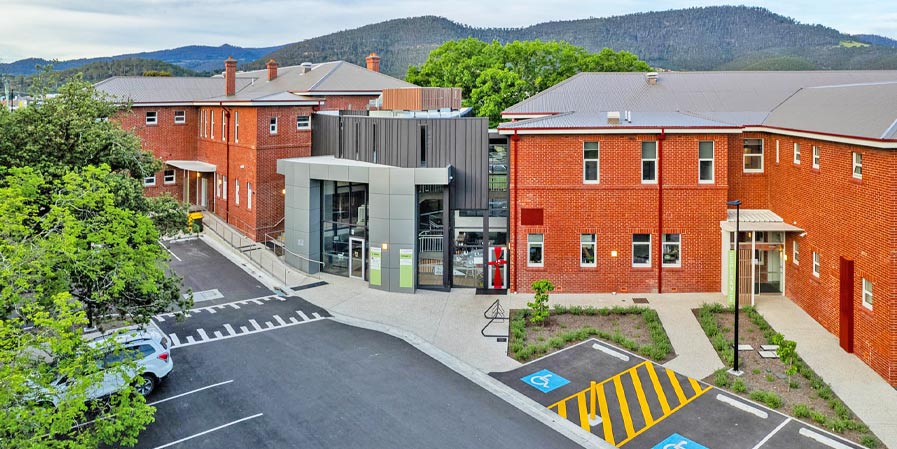
In looking at how we could make this group a reality we saw an opportunity to deliver the group as part of rural health training. We have commenced a pilot support group, running from our Centre for Rural Health training site in New Norfolk.
This group has allowed us to continue working together and to add student learning to the project. The group now involves speech pathology students on placement at the rural health training site, and student volunteers interested in learning more about working with people with PPA.
At each meeting, the group members provide feedback on how the group is working for them, and how it can be adapted. Following the lead of group members we have covered topics such as word finding strategies and creating visual communication resources. Building on our initial theme of not losing the person in the diagnosis we have worked together with the group members to begin creating ‘About Me’ books that allow the group to share their life stories and accomplishments, even when it is hard to find specific words.
The groups have provided speech pathology students on placement in New Norfolk with opportunities to talk with people with PPA, creating rich learning experiences. Students have heard what sorts of services people with PPA and their care partners want from speech pathologists and how we can advocate together for better access to aged care and speech pathology services, as well as for more inclusive communities for people with communication support needs.
In regional South Australia, a quiet revolution in dementia care is underway. With over 400,000 Australians currently living with dementia Read more