

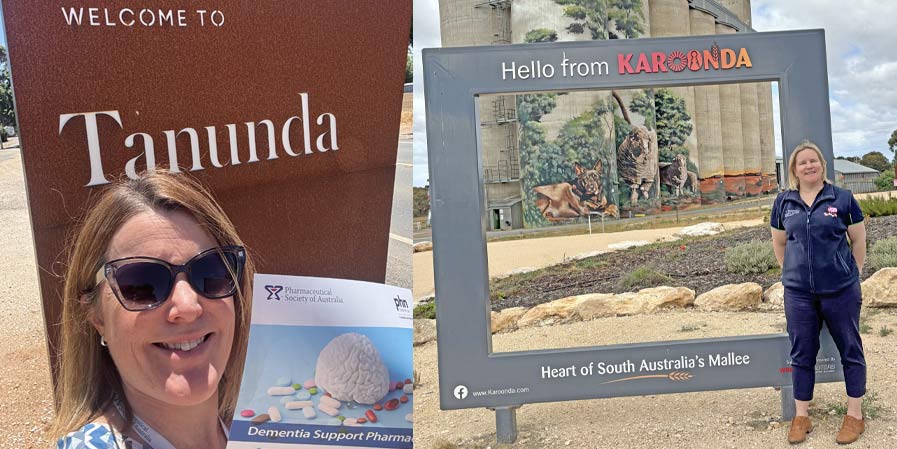
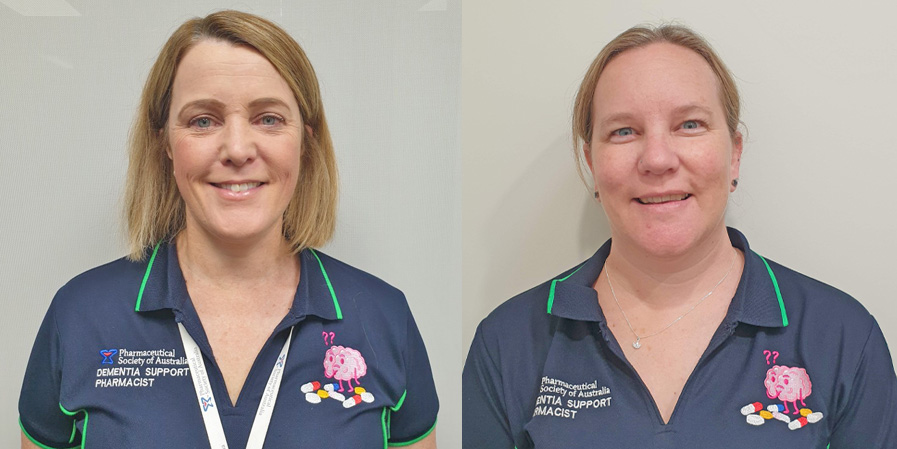
In regional South Australia, a quiet revolution in dementia care is underway.
With over 400,000 Australians currently living with dementia (and numbers expected to rise sharply), the need for accessible, high-quality care is urgent. While dementia affects people across both urban and rural areas at similar rates, the disparity in access to care and support services is stark. In many rural communities, essential care remains out of reach.
Enter the Dementia Support Pharmacist project, a groundbreaking initiative by the Pharmaceutical Society of Australia (PSA), funded by Country SA PHN. Since its launch in July 2024, this project has been redefining the way people living with dementia are supported, especially in areas where healthcare resources are stretched thin. This project aims to establish a sustainable practice model where dementia support pharmacists provide pharmaceutical care to people living with dementia in regional South Australia.
Pharmacists on the Frontline
At the heart of the project are two passionate and experienced pharmacists: Dee-Anne Hull and Nicola Sander. With extensive experience in aged care, they are not just medication experts. They are advocates, educators, and lifelines for families navigating dementia. Their goal is to enable clients to live well with dementia and improve quality of life by helping people understand their medicines now, and as dementia progresses.
A key part of their role is deprescribing – reviewing medicines to remove unnecessary or potentially harmful medicines. By simplifying complex regimens, they reduce the burden on clients and carers. They also target high-risk medicines, adjusting or removing them to protect cognitive function and overall health.
More Than Medicines
The program is open to all – families, carers, or healthcare professionals, without referral restrictions. This ensures high-quality dementia care is accessible across South Australian, regardless of location.
Beyond medicines, the pharmacists advocate for people with dementia, guide families, and collaborate with GPs, home care providers, and allied health professionals to close gaps in care. They help clients navigate challenges such as delayed home care, limited respite options, and long specialist wait times.
Education is another key focus. The pharmacists run free workshops and training sessions for community groups and healthcare workers, building more dementia-aware communities. The best bit? This is completely free for participants thanks to generous support from Country SA PHN.
Real-world impact
One powerful example involves an 82-year-old man and his wife, left overwhelmed after a dementia diagnosis and vague advice to “get affairs in order.” Feeling unsupported, they turned to a Dementia Support Pharmacist.
During a 90-minute home visit, the pharmacist reviewed medicines and identified issues contributing to weight loss, falls, and anxiety. She coordinated with the GP for specialist referrals and connected the couple with home care and allied health services.
The couple later shared:
“We are so grateful for the time you spent with us yesterday. You clarified several issues for us and we gained from the vast knowledge you have on drugs and dementia. Thanks for so patiently helping us to navigate the complex issues of dementia. You are of enormous value to people like us struggling to make sense of our situation.”
This is just one of many stories showing the program’s impact.
A model for the future
The response has been overwhelmingly positive. Families feel more supported and informed, healthcare providers value the added expertise, and communities are calling for the program to continue and expand.
As Australia faces an aging population and rising dementia rates, the Dementia Support Pharmacist project offers a powerful person-centred model for the future – one that is proactive, accessible and deeply human.
Want to learn more or refer someone for support?
Contact: [email protected]
Co-designing a support group for people living with language led dementias. Primary progressive aphasia (PPA) is a dementia syndrome that Read more
About 1,535 kilometres north of Perth in Western Australia’s Pilbara region sits the fascinating city of Karratha. Built on the Read more

Palliative care helps people live as comfortably and meaningfully as possible when facing a life-limiting illness. It supports not only Read more