


When South West Aboriginal Medical Service (SWAMS), based in Bunbury, teamed up with the University of Western Australia earlier this year, it wasn’t just about research – it was about creating change that starts with community voices.
The partnership, backed by nearly funding from the Medical Research Future Fund (MRFF), officially launched in March 2025. Soon after, SWAMS welcomed Danie Zappa, a proud Noongar Wardandi woman, as Project Lead for Culturally Led Initiatives, along with a growing team of staff and researchers. Their mission is simple but powerful: make sure health and wellbeing data reflects what matters most to Aboriginal people in the South West.
For years, health systems have measured success using numbers and indicators that don’t always tell the full story. They often miss the cultural, family, and community connections that shape real wellbeing. This project is changing that by putting Aboriginal voices at the centre – building tools and measures that feel right for the people they serve.
Since the launch, the team has been busy laying strong foundations. They’ve set up a Research Advisory Group and a Community Panel to guide decisions and keep the work grounded in local health priorities. A Community Health Priorities Survey is almost ready to roll out, designed for both community members and health partners. SWAMS staff have also jumped in through the Deep Dive program, working alongside researchers to learn and share knowledge.
Partnerships have grown too – with organisations like Wungening Aboriginal Corporation and Eleanor Duncan Aboriginal Medical Service in Queensland, and with the University of Western Australia’s Social and Emotional Wellbeing coding project. The team has shared progress at Rural Health West in Perth and the South West Health Research Forum in Bunbury, showing that collaboration is at the heart of this journey.
The next chapter is exciting. SWAMS has been invited to apply for a Healthway grant to trial a new health communication model. Healthway – the WA Health Promotion Foundation – supports projects that encourage healthy lifestyles and prevent chronic disease, making this opportunity a perfect fit for SWAMS’ community-driven approach. Plans are also underway to form the SWAMS Aboriginal Staff Research Advisory Collective (ASRAC), giving Aboriginal staff a strong voice in research decisions.
Other steps include auditing existing data, creating a clear research policy, and building a dedicated research hub on the SWAMS website. And with Phase 2 funding expected in early 2026, the team will start applying new tools and measures developed during this first stage.
At the heart of this work is the Community Advisory Panel – a diverse group of Elders, parents, professionals and carers whose lived experience and cultural knowledge shape every decision. They share insights on everything from intergenerational trauma, current health priorities through lived experience to navigating neurodiversity, helping shape research that truly reflects community life. Their voices ensure this work stays real, relevant, respectful and culturally informed.
When health services are guided by community priorities, they’re more trusted and more effective. This approach supports national commitments like Closing the Gap and strengthens the role of Aboriginal organisations in shaping the future of health. For SWAMS, this project isn’t just about data – it’s about dignity, culture and creating a healthier future for generations to come. It’s a story of partnership, sharing knowledge, innovation and the power of deep listening.
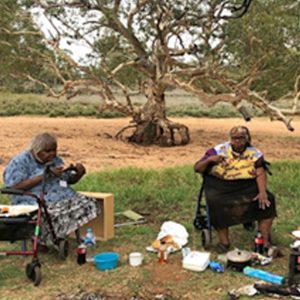
The Early Intervention Healthy Ageing Program, funded by the Australian Government and delivered through Northern Territory Primary Health Network (NT Read more
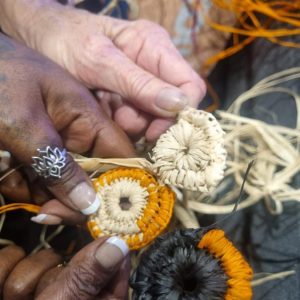
During 2025 NAIDOC staff at Northeast Health Wangaratta (NHW) had an opportunity to participate in a group weaving activity. This Read more
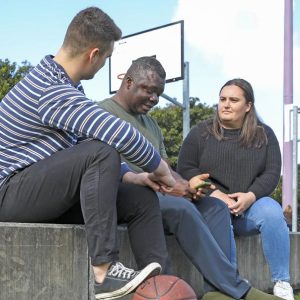
Rural mental health professionals face unique challenges – from professional isolation to high caseloads and limited peer support. But innovative Read more
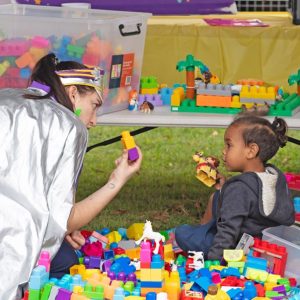
Australian rural healthcare practitioners face well-documented challenges like professional isolation, expanded scopes of practice, staff shortages, and limited learning opportunities. Read more