
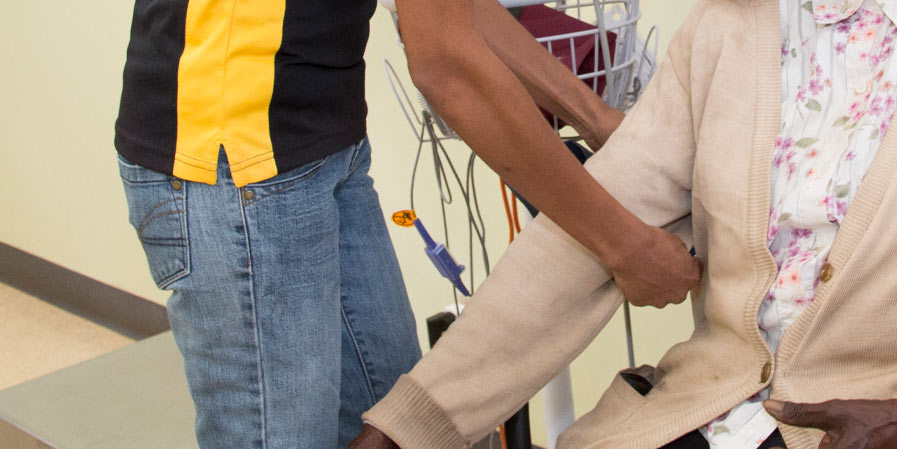
When I began my education and training in regional and rural Australia, working alongside Aboriginal health workers showed me that good technology only works when people and place come first. In several country towns, the problem is not a lack of gadgets — it is that education, workforce and local leadership are not always part of the design. Bringing nursing and allied health education together with Indigenous‑led digital innovation changes that.
I recall situations where technology was present, but the process did not go well because some local communities did not trust it. The process improved when local health staff led the conversation about how it should be run. Booking people at times that suited community rhythms, using plain language and local intermediaries, and following up with in‑person visits made a difference. Technology amplified those relationships; it did not replace them.
Education is where this starts. Shared rural placements and interprofessional training that mix nursing and allied health students can give future clinicians a practical sense of team‑based care and the digital skills rural practice needs. As an educator and trainer, I have seen how community‑embedded clinical education — with Indigenous mentors and telehealth practice components — prepares graduates for rural realities and increases retention.
Workforce models need to fit the place, too. Upskilling local nurses, Aboriginal health practitioners and allied health assistants in telepractice and remote monitoring creates a base of trusted providers who can use digital tools well. Task‑sharing — letting trained local staff take on appropriate tasks with remote specialist support — keeps care close to home and reduces travel. Blended care, where face‑to‑face visits are combined with follow‑up by phone or video, preserves continuity while using technology to extend capacity.
Indigenous leadership and co‑design are non‑negotiable. Aboriginal and Torres Strait Islander communities rightfully expect services that reflect their priorities, languages and data sovereignty. When Indigenous organisations lead the design of digital tools — applications, telehealth workflows or community hubs — uptake improves. Co‑design also teaches visiting clinicians and students how to provide culturally safe care, which makes technology feel relevant rather than imposed.
Practical local innovations have already been showing results. Community telehealth hubs run by Indigenous organisations provide private, supported spaces for appointments and help people connect with specialists without losing the local support that makes consultations work. Interprofessional student clinics that include Indigenous mentors build skills and respectful ways of working. Short, practical micro‑credentials in telehealth and remote assessment for nurses and allied health workers scale workforce capability quickly and are well suited to the realities of rural life.
Speaking of barriers, unreliable internet, short funding cycles, and the temptation to treat pilots as finished solutions all can undermine progress. Fixing these requires longer‑term investment in connectivity and training, and evaluation that measures outcomes communities care about — not just the number of video calls. Above all, projects need funding that supports local roles and Indigenous governance, not one‑off tech purchases.
When education, workforce and Indigenous leadership are centred, technology becomes a bridge, not a barrier. It helps the local healthcare workforce extend their reach, keeps people connected to familiar faces and supports community‑led care. For rural Australia, the goal is not always about more gadgets — it is making sure every innovation strengthens relationships, respects culture and trains local people to lead the next generation of care. This is how tech can help country people stay healthier in the place they call home — high‑tech when it helps, and always high‑touch.

It’s 4am, and I’ve been awake for 22 hours. My shift started at 2:30pm and the surgeries haven’t stopped all Read more
Rural mental health professionals face unique challenges – from professional isolation to high caseloads and limited peer support. But innovative Read more
Growing up in rural Queensland instilled in Dr Prue Wallin resilience, compassion, and a deep respect for community—values that shaped Read more
In the Murrumbidgee region, health professionals are doing remarkable work. Across vast distances and complex systems, they deliver person-centred care, Read more