
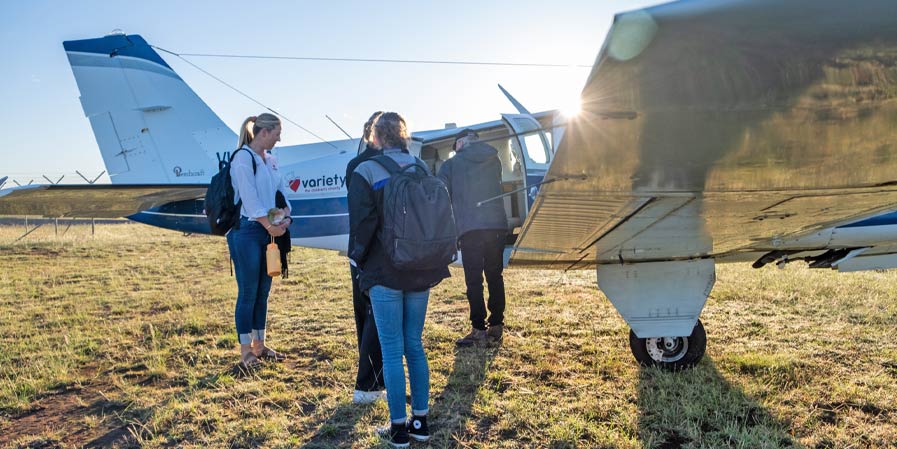
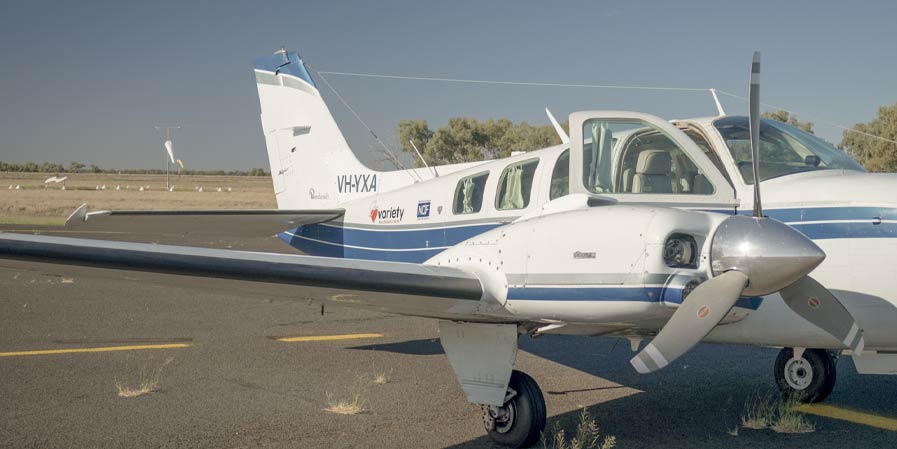
When children in rural New South Wales needs a specialist developmental assessment, the biggest barriers are distance, cost and support to access the appropriate services. Families can face months or years of waiting, long trips away from home, and out-of-pocket expenses they simply can’t afford. For many, these barriers mean children can’t get a diagnosis, preventing them from accessing tailored early intervention support and ongoing care.
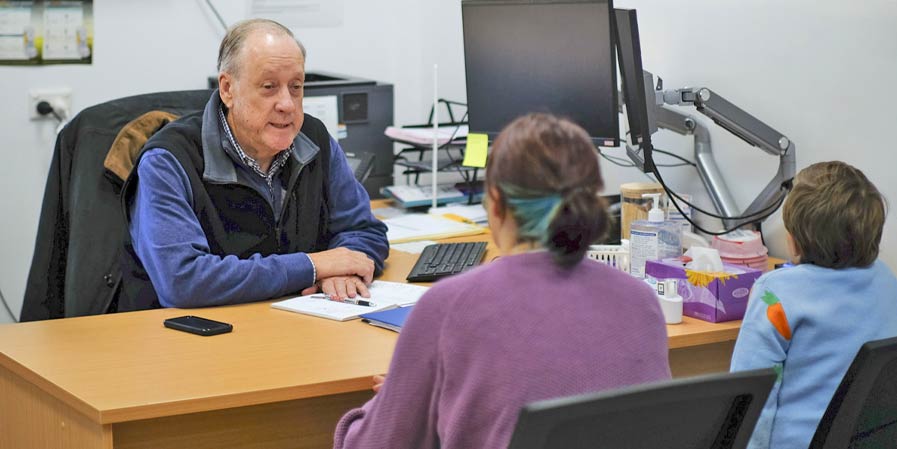
The Flying Start Paediatric Service (Flying Start) was created to change that reality. Designed by Marathon Health – and Variety the Children’s Charity (NSW/ACT), Flying Start works with local services to bring culturally-safe paediatric and allied health care into rural and remote communities, rather than expecting families to travel hundreds of kilometres to access unfamiliar services. Clinics are held locally, in GP practices, Aboriginal Medical Services or community health settings, with children seen close to home and supported by people they already know.
For families, the difference is immediate. Children receive timely holistic assessments for developmental conditions such as intellectual disability, learning difficulties, autism, ADHD, developmental trauma and other mental health conditions — assessments that are essential for accessing treatment, NDIS funding and school supports. Parents avoid the cost of travel, accommodation and time off work. Children avoid disruption to school and family life. Care becomes something that fits into everyday life, rather than something that overwhelms it.
But Flying Start isn’t just about access. It’s also about making better use of health dollars. Instead of building a new service from scratch, Flying Start first uses service providers that are already there in each rural community. Local teachers, Aboriginal Education Officers, GPs, nurses and allied health professionals are part of the care team. A visiting paediatrician and allied health clinicians work alongside them, supported by local health care coordination and emerging shared care arrangements. Existing funding streams including Medicare, NDIS, education system supports and modest philanthropic investment are aligned around a single, place-based model of care.
This approach minimises duplication, builds capacity of local health sectors and avoids the high costs that come with crisis driven care. Early diagnosis means children can access the right supports sooner, reducing the likelihood of escalating behavioural, learning and mental health challenges later in life. Schools can better target resources. Health services avoid repeated assessments and fragmented referrals.
Crucially, Flying Start invests in local health care coordination — a role often overlooked in funding models. Local health staff help families navigate appointments, paperwork and follow-up care, ensuring assessments lead to ongoing support. That small investment keeps children connected to services in their own communities, rather than falling through the cracks.
Following a successful pilot program in two communities and overwhelmingly positive evaluation feedback from local stakeholders, Flying Start has been rolled out in a further 16 communities across Western NSW. Flying Start shows what’s possible when funding is flexible and grounded in place. By utilising established local relationships between health service providers, sharing responsibility across sectors, and focusing on long-term value rather than short-term activity, the model delivers better outcomes at lower cost. There are clear lessons for rural and remote Australia. When care is designed with communities and funded to stay in them – children and families receive the treatment supports they need and every dollar goes further.

In rural towns across Australia, playgroups are more than just a space for children to play. They serve as vital Read more

For 100 years, Royal Far West (RFW) has gone beyond improving the health and wellbeing of country children, providing the Read more

Access to quality healthcare is essential at every stage of life—no matter where you live. For many rural and remote Read more

Throughout 2024 clinicians spoke with families across Western NSW LHD who are caring for children with complex feeding and eating problems. Read more