

In rural, regional and remote Australia, the economics of health care are rarely straightforward. Distance adds cost. Dispersed populations strain viability. Workforce shortages compound the pressure on services already running close to the margin. And yet, as this edition of Partyline makes clear, communities across the country continue to find ways through – with creativity, persistence, and a deep commitment to looking after their own.
This issue asks a deceptively simple question: what does it actually cost to keep rural communities healthy? The answers, as you will find in these pages, are complex and sometimes confronting.
You will read about the quiet economics behind services that many of us take for granted – the Angel Flights that make specialist appointments possible, the non-emergency medical transport that enables Billie and others like her to access care, the community dental clinic that keeps its doors open where no private provider would. These are not marginal stories. They are the architecture of rural health, and their financial sustainability matters enormously.
This issue also turns attention to the systemic pressures that shape what is possible. Local governments are being asked to fill gaps that other funding streams leave behind. Telecommunications failures are costing lives and livelihoods alike. The ripple effects of dialysis – on patients, families and entire towns – remind us that health economics is never just about the balance sheet. It is about people, and the sacrifices they make when the system does not come to them.
At the same time, these pages carry stories of genuine innovation. Nurse-led clinics serving three towns. A place-based model transforming outcomes in rural child health. Workforce reform taking root on Kangaroo Island. A pit stop health clinic at the Bathurst 1000, meeting people where they already are. These are not workarounds – they are blueprints. Evidence that when communities and services design together, with an honest understanding of local conditions and constraints, something better becomes possible.
The National Rural Health Alliance has long argued that investment in rural health is not a cost to be managed – it is a return to be realised. Prevention, early intervention, integrated and place-based care: the evidence is clear, and this issue adds to it. What rural communities need is not charity. It is the recognition that equitable investment, sustained over time, produces healthier people, stronger communities and more resilient economies.
As we begin 2026, I want to acknowledge all those whose work is reflected in this edition – the clinicians, advocates, researchers, community leaders, and consumers who shared their stories and their expertise. And I want to acknowledge, too, those who work in the spaces between the stories: the health workers who cover extraordinary distances each week, the volunteers who step in when formal systems cannot, and the communities that refuse to accept that geography should determine health outcomes.
Rural Australia is worth it. These stories are the proof.

From the first heartbeat to the later years of reflection and legacy, the journey of rural health spans the entire Read more

Australia’s rural health professionals are nothing short of remarkable. They are clinicians, advocates, problem-solvers, and community leaders - often all Read more

Across Australia, rural, regional and remote communities are not just participating in health research - they are shaping it. This Read more
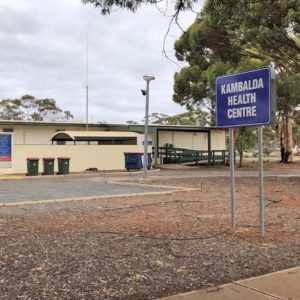
Having worked in a small WA local government, I’ve seen firsthand the hard choices Councillors face when balancing community expectations Read more