

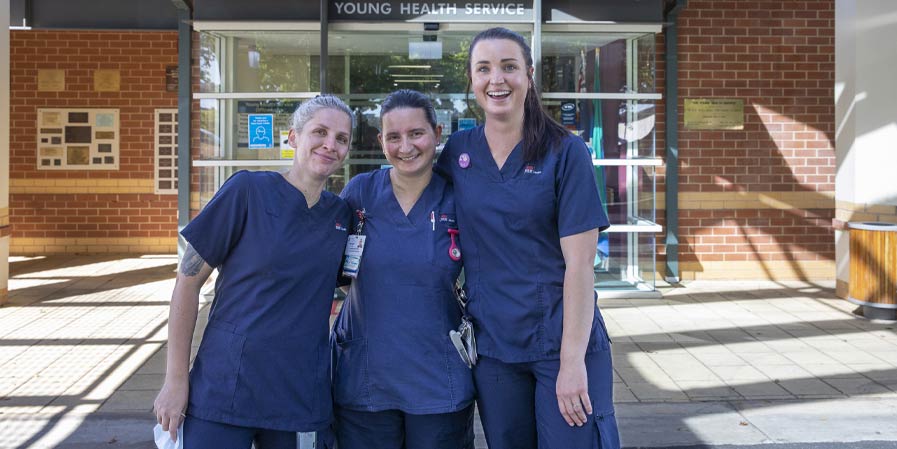
People living in rural and remote areas often face challenges when trying to join clinical trials—like long travel times and limited access to local services. The Rural, Regional and Remote Clinical Trial Enabling Program (RRR-CTEP) is working to change that by bringing research into everyday healthcare settings, such as Aboriginal Medical Services and Community Health Centres.
Why local clinical trials matter
Clinical trials help improve access to care and the quality of services in rural, regional and remote areas. Many people in these communities have fewer treatment options and must travel long distances to major hospitals. By supporting trials locally, patients can take part in research and access new therapies without leaving their communities.
For clinicians, trials offer a chance to grow professionally and improve local healthcare. They also help build stronger health systems and more consistent and evidence-based care.
Locally led and regionally tailored
The Program is led by three regional clusters—Northern, Western, and Southern—to make sure it reflects local needs and builds a strong workforce. This helps ensure clinical trials continue beyond the program’s initial funding period.
Research as part of everyday healthcare
By making clinical trials part of routine healthcare, the program supports career paths for clinical researchers in regional areas.
“We’re investing in the next generation of clinical researchers outside major cities,” said Danielle Somers, Director of Research Methods, NSW Office for Health and Medical Research.
About the Program
NSW Health and ACT Government have partnered to deliver the Rural, Regional and Remote Clinical Trial Enabling Program, supported by funding from the Australian Government under the Medical Research Future Fund.
Visit the program website to learn more.
Rural mental health professionals face unique challenges – from professional isolation to high caseloads and limited peer support. But innovative Read more
One third of Australians live in rural, regional, and remote areas. Delivering quality health education, research, and services to these Read more
Rural and remote towns rely on GPs more than any other part of Australia. A single doctor can be the Read more
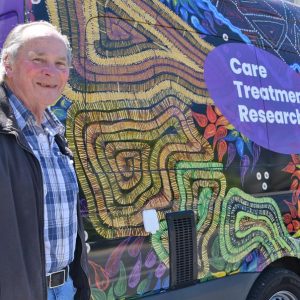
Grampians Health has launched a dedicated mobile clinical trials unit bringing research, innovation, and care directly to Western Victorian regional Read more