

The Rural Clinical Schools program was established by the Commonwealth Government in 2000 in an effort to address the rural doctor shortage. One site was set up in Bairnsdale in conjunction with Monash University. Monash University School of Rural Health, in Bairnsdale, Victoria, has steadily grown into an important part of the East Gippsland community. More than a place for training future rural doctors, the local medical school has become a contributor to the region’s economic growth.
Medical students at the rural school rotate through placements lasting from one week up to a year across East Gippsland region. During that time, they not only study in the region but also become involved in the community by joining local clubs and contributing to local events. The school now plays an important role in strengthening both the medical workforce and the economy of the East Gippsland region.
As a long-term local of the region, the lead author did a PhD project to investigate and quantify the social and economic impact of the rural school on East Gippsland. This involved interviewing students and staff and reviewing the university’s local expenditure to explore how the School of Rural Health influenced the East Gippsland economy.
We found that students undertaking longitudinal placements (up to 36 weeks of the academic year) spent an average of $256 per week during their placement. Most stayed in East Gippsland over weekends, meaning the majority of their spending represented new income for the region. This student spending benefited a range of local businesses, with sectors such as manufacturing, retail, and health services experiencing the strongest effects.
Visitors to the students also played a significant role in contributing to the local region. They spent an average of 134.8 nights in the region each year, staying in local accommodation because university facilities did not allow overnight guests. Their spending supported mainly local accommodation providers, transport to and from the region, cafes and restaurants, retail shops and tourism experiences.
Some staff members of the rural school had relocated to East Gippsland, while local residents have taken up academic and professional roles at the Bairnsdale site. Staff whether permanent, fixed-term or casual contributed to the local economic activity. Their wages circulated through the community, supporting sectors such as manufacturing, retail, and finance and insurance services. Many became socially integrated, contributing to the local community and strengthening the region’s social and economic environment.
The university site itself made a substantial contribution to the region through its spending on student placements in local clinics, clinical supervision, staff wages and the upkeep of facilities. These costs were more than operational expenses, they reflected investments in the region’s future, supporting local teaching, placements and development of future rural doctors.
A further key finding was that in 2018, direct expenditures into the East Gippsland region by students, visitors, staff, and the university amounted to $1.4 million. Manufacturing, retail, education, accommodation, food, and financial services all benefited. The school’s presence added a further $1 million to East Gippsland’s Gross Regional Product that year. This economic activity created more jobs particularly in retail, healthcare, and in accommodation and education.
The Monash University School of Rural Health in Bairnsdale has supported growth in East Gippsland. Beyond training future doctors, it has helped strengthen local industries, create jobs and support the region’s economic development. Its presence represents investment and prosperity for East Gippsland.
Replication of this work for other Rural Clinical Schools across Australia may help to demonstrate their economic impact on local economies.
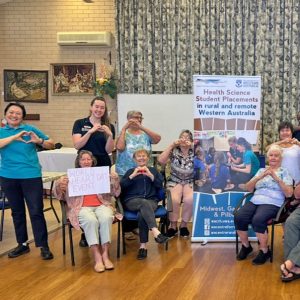
Rural healthcare remains the lifeblood of the nation's health system, grounded in community connection, resilience, and adaptability. As a nursing Read more
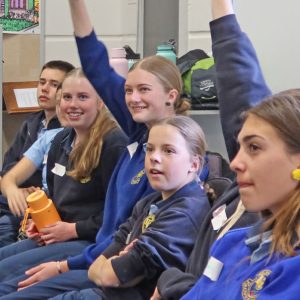
Two innovative and community-driven programs are tackling the vast distances and limited services that shape health and daily life in Read more
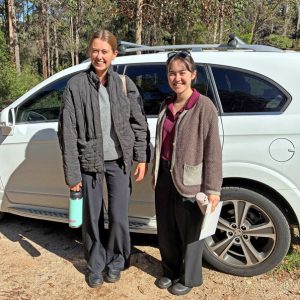
Walking into Northcliffe Family and Community Centre for the first time, two occupational therapy students and their supervisor are met Read more
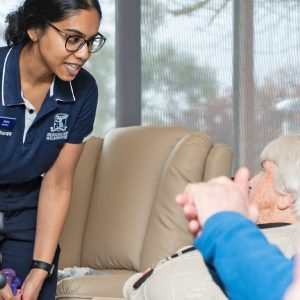
Across rural and regional Australia, communities are ageing, and the shortage of health professionals is increasingly evident. At Beaufort and Read more