
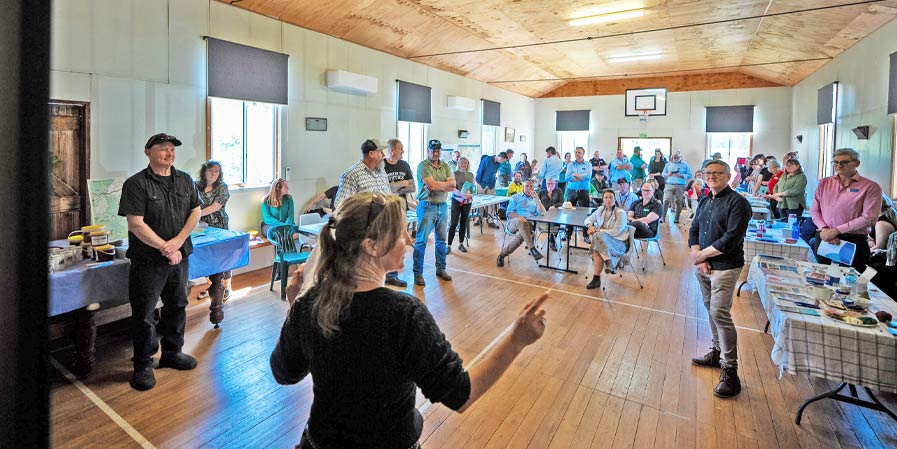
On Thursdays in Bendoc, the neighbourhood house looks much the same from the outside. But once a week, one small room turns into something that hasn’t existed here for years: a place to get care without packing the car for a day-long trip.
In the Errinundra to Snowy district – nine tiny communities scattered through far East Gippsland’s high country – a “quick” appointment has never been quick. For many people, seeing a GP has meant hours on winding roads, fuel they can’t always spare, and a neighbour recruited to drive. The price isn’t just money. It’s time off work, stress, and the quiet decision to put symptoms off for “later”.
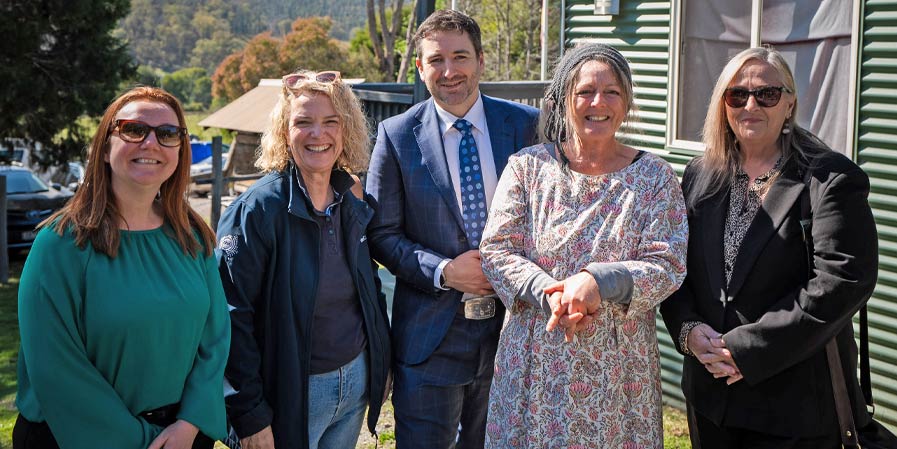
After years of pushing for something better, community leaders from the Deddick Valley Isolated Community Group teamed up with Orbost Regional Health to try a new approach. Instead of waiting for a doctor to move in (and stay), they brought nurse-led care into three familiar community spaces in Goongerah, Tubbut and Bendoc.
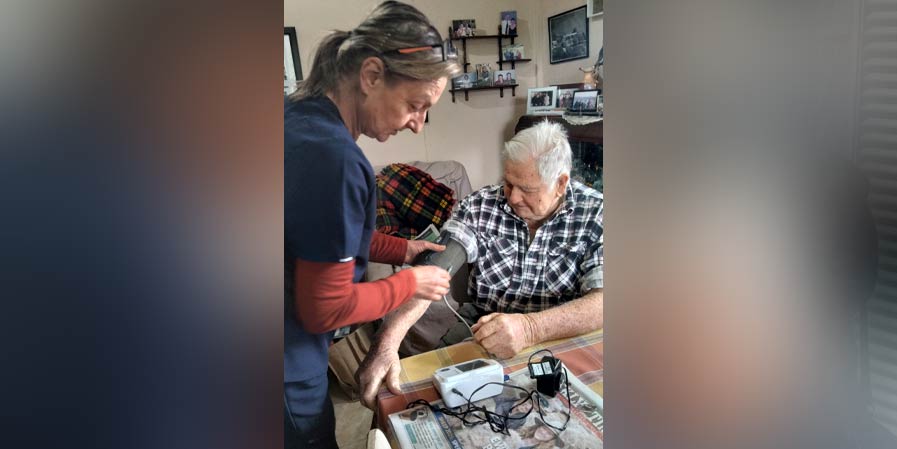
A community nurse now visits each town every week. Some people drop in for health checks or help with dressings. Others bring questions they’ve been carrying around for months. If a GP or specialist is needed, the nurse helps set up a phone or video appointment and makes sure people understand what’s been decided and what happens next.
One resident summed it up: “Really handy that you didn’t have to go all the way to Orbost.” An independent evaluation of the pilot by Larter Consulting found the service reached more than a third of the district’s population in its first year, delivering more than 800 appointments and follow-ups and reaching 37% of the population. People described getting help earlier, keeping on top of long-term conditions, and feeling more confident navigating the health system.
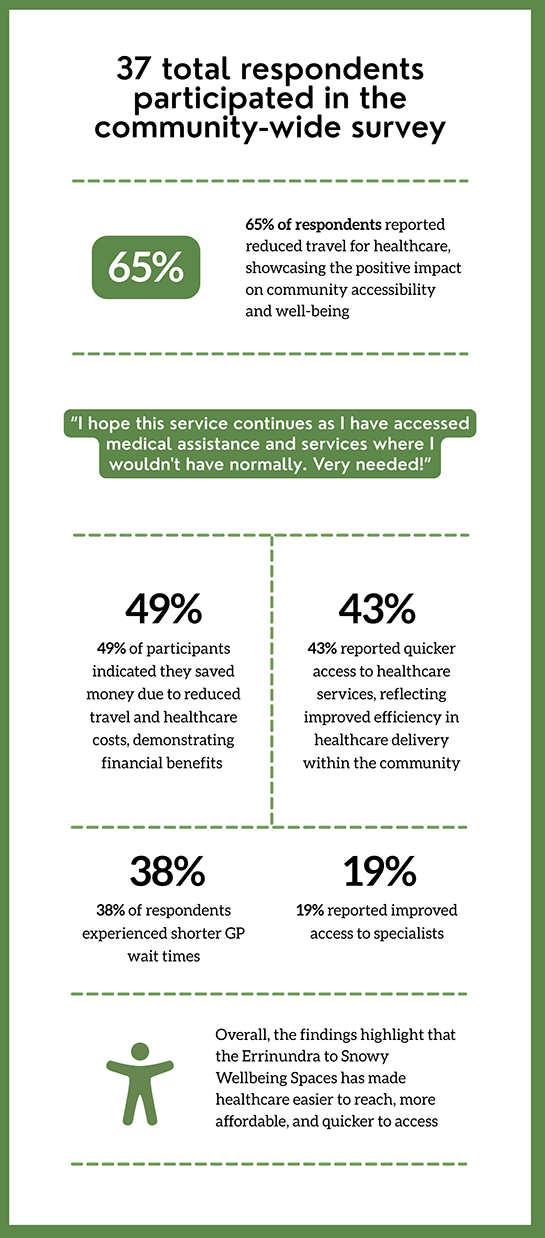
The economics showed up in everyday life. Most survey respondents said they made fewer long trips for care. Almost half said they saved money. Many said they got help faster. For older residents and people living with ongoing conditions, those changes aren’t just convenient – they can be the difference between staying well at home and ending up in urgent care.
The evaluation also captured stories that are hard to put a dollar figure on, but impossible to ignore. “It saved her leg… she was hours away from getting sepsis,” said one local. Another wrote: “The way I feel about myself has completely flipped. I care now.” In a district where services come and go, the wellbeing spaces have become a steady point. They’re also a social connector: people meet while they wait, swap news, and look out for each other. In small towns, that connection is part of health too.
The lesson for rural Australia isn’t that every community needs the same model. It’s that smart investment starts with what people already have: trusted local spaces, practical partnerships, and care that turns up consistently. The biggest risk to the economics of this kind of service isn’t whether people will use it – they already are. It’s whether short-term funding, patchy infrastructure, and workforce pressures will make it hard to keep. Out here, the real cost of a GP visit has always been more than the appointment. When care comes to town, communities keep more of their time, their money, and their wellbeing close to home.
The Community Group are keen to talk with potential partners and funders to sustain and extend this vital rural service. If interested, contact Tubbut Neighbourhood House via [email protected]
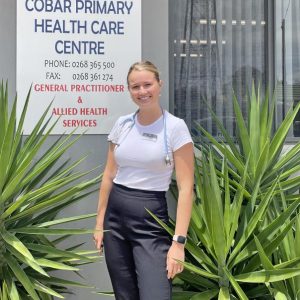
As a fourth-year medical student, Xanthie Harvey recently had the opportunity to complete a rural general practice (GP) rotation with Read more
It’s 4am, and I’ve been awake for 22 hours. My shift started at 2:30pm and the surgeries haven’t stopped all Read more
Growing up in rural Queensland instilled in Dr Prue Wallin resilience, compassion, and a deep respect for community—values that shaped Read more
Rural GPs are the backbone of their communities, providing cradle-to-grave primary care, supporting hospitals, responding to emergencies, and often doing Read more