
While the vast majority of rural Australia shares the common issue of recruiting and retaining sufficient healthcare staff, some locations are doing it harder than others. Our medical program has a particular interest in the Goldfields and Wheatbelt regions, two particularly hard-to-staff locations.
The latest data shows that these two regions are the least served regions for health professionals in Western Australia, a sign that a changed approach is required. Short-term rural immersion programs have long been a feature of the student medical experience, but recent research indicated that student familiarity with these regions was potentially an issue.
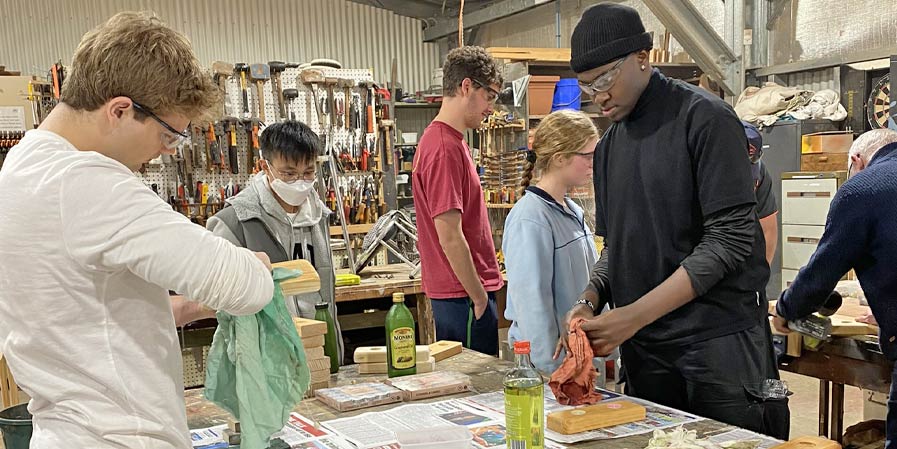
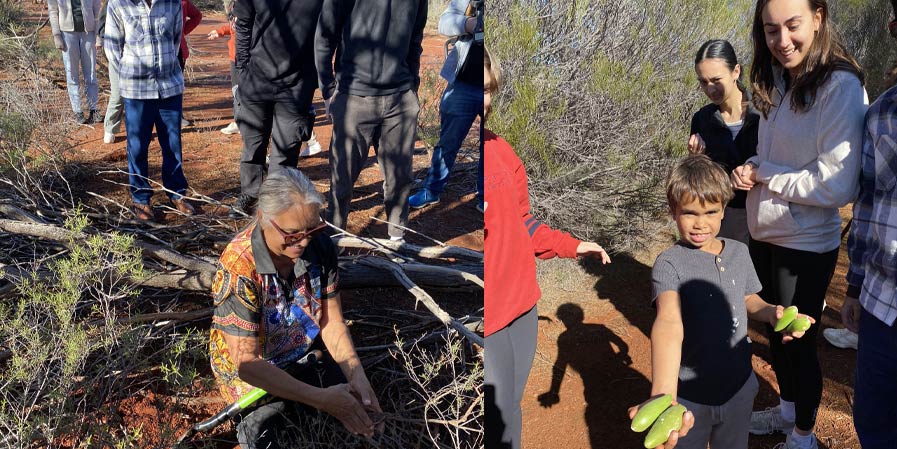
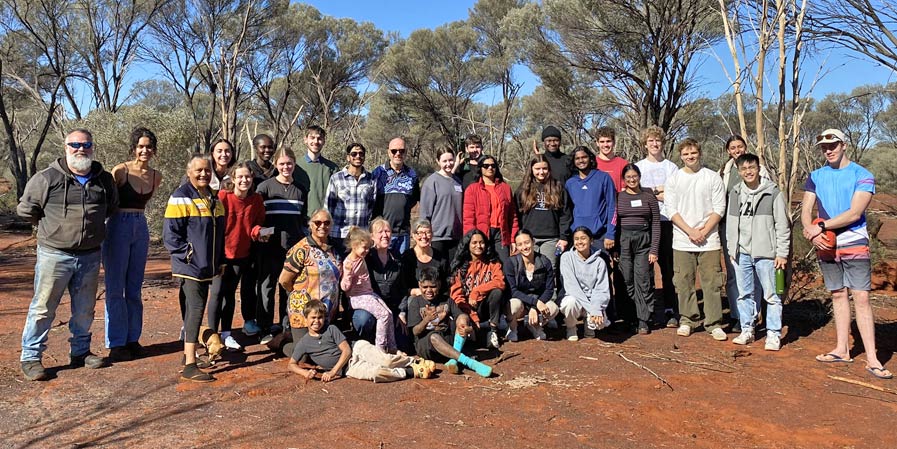
In response, we have created a series of rural immersion programs in our medical education program that focus on relationship building, to create place-based connections between students and townspeople, students and their peers, townspeople and university staff. Our approach includes simultaneous student immersion trips to multiple towns within the regions, student billeting with local families, and initiating projects that involved students working alongside townspeople to contribute something tangible to the community.
We are seeking to discover the range of elements of a rural-immersion-program most effective in creating a transformative experience for the students, to positively shift students’ views of rural lifestyle and practice, and to create lasting connections so that the culturally unfamiliar becomes familiar and known, a name on the map becomes a community with pleasant associations. A 2024 research project suggests the programs are very effective, as evidenced by consistent improvement in the number of Curtin’s medical students applying for rural clinical placements.
While data is still being analysed, early feedback suggests such programs have real potential to change medical students’ view of living and practicing in rural locations. It is also hoped that familiarising students with specific hard-to-staff locations will increase the appeal of these locations for rural clinical placements and, subsequently, rural practice.
Rural healthcare remains the lifeblood of the nation's health system, grounded in community connection, resilience, and adaptability. As a nursing Read more
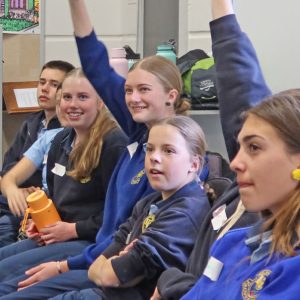
Two innovative and community-driven programs are tackling the vast distances and limited services that shape health and daily life in Read more
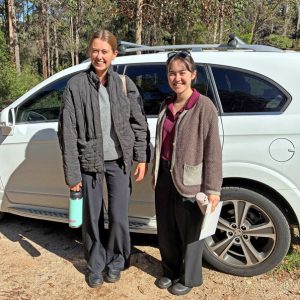
Walking into Northcliffe Family and Community Centre for the first time, two occupational therapy students and their supervisor are met Read more
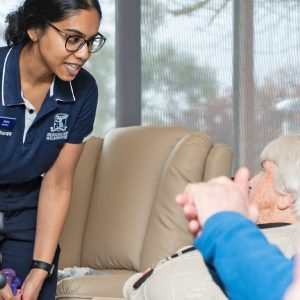
Across rural and regional Australia, communities are ageing, and the shortage of health professionals is increasingly evident. At Beaufort and Read more