

Dr Julia-Rose Satre grew up between Broome in Western Australia and Cairns in Far North Queensland — two regions far apart but deeply connected by a strong sense of Country and community. Today, as a proud Yawuru woman and ACRRM Rural Generalist registrar, she’s delivering care in Cape York that is grounded in cultural safety, connection, and purpose.
“Growing up in regional and remote areas, I saw the heartbreaking effects of health inequity on my own family,” she says. “But I also saw the strength of those who cared for them — healthcare workers who showed up with skill, compassion, and commitment. “They inspired me to pursue a path where I could give back and help change the system from the inside.”
Now training with ACRRM, Julia-Rose is focused on delivering healthcare that listens, respects, and responds to the needs of remote, and Aboriginal and Torres Strait Islander communities. Her goal is to gain advanced skills in obstetrics so that she can support Aboriginal and Torres Strait Islander women to birth safely, on or close to Country, where culture and kin can surround them, while having access to a female doctor for women’s
Julia-Rose originally shared her story during NAIDOC week, reflecting the theme of The Next Generation: Strength, Vision & Legacy. As she walks between two worlds every day — as a doctor and a proud First Nations woman — she carries the teachings of those who came before her and builds a path for those who follow.
“The legacy I carry comes from strong women — especially my Nana and my sisters. They raised me with love, discipline, and deep cultural values. They taught me to stand proud, to listen deeply, and to hold firm in what’s right.”
It is this foundation that shapes her approach to medicine. Whether she’s yarning with patients in clinic, advocating for culturally safe care, or mentoring other young Aboriginal students, she brings her full self to the role.
“I honour this legacy by bringing culture into my everyday work. I yarn with patients, advocate for change, and hold space for community.
Cape York is remote, and the challenges of providing care in such a vast region are real — but Julia-Rose draws strength from the people around her.
“In Cape York, I see strength and resilience in my community every day – in Elders showing up to appointments with dignity, in young people finding hope despite hardship.”
Her vision for rural healthcare is clear: a system where Aboriginal and Torres Strait Islander leadership is central, not tokenistic. One where birthing on Country, language in clinic, and decision-making by Elders aren’t exceptions — but the norm.
“We need systems built with us, not just for us,” she says. “That means investing in our training and creating space for us to lead.”
To the next generation of Aboriginal and Torres Strait Islander doctors, Julia-Rose offers encouragement and solidarity.
“To young mob thinking about a career in rural generalism – you belong here.
“Your lived experience, your cultural knowledge, your resilience – these are your strengths. Don’t ever feel you have to leave your identity behind to succeed”
Julia-Rose says it’s the next generation that gives her hope.
“They are proud, strong, and unafraid to speak up. They are our future doctors, nurses, midwives, leaders, and healers. And I know our legacy is safe in their hands.”
For more stories of ACRRM Rural Generalists, or information on the ACRRM Fellowship program, visit www.acrrm.org.au
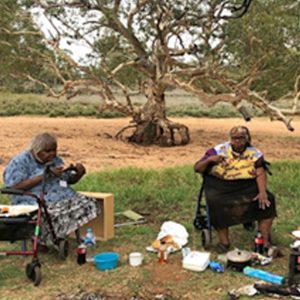
The Early Intervention Healthy Ageing Program, funded by the Australian Government and delivered through Northern Territory Primary Health Network (NT Read more
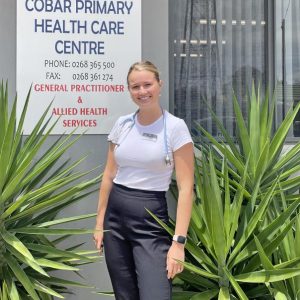
As a fourth-year medical student, Xanthie Harvey recently had the opportunity to complete a rural general practice (GP) rotation with Read more
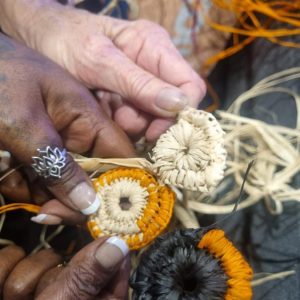
During 2025 NAIDOC staff at Northeast Health Wangaratta (NHW) had an opportunity to participate in a group weaving activity. This Read more
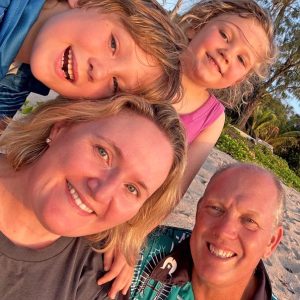
Growing up in rural Queensland instilled in Dr Prue Wallin resilience, compassion, and a deep respect for community—values that shaped Read more