
Australian rural healthcare practitioners face well-documented challenges like professional isolation, expanded scopes of practice, staff shortages, and limited learning opportunities. While targeted workforce strategies target these problems head-on, community-focused programs can provide unexpected complementary benefits.
Starlight recently interviewed health practitioners at the “Third Birthday Party” initiative, a program designed to improve health outcomes for First Nations children in rural Australia through offering developmental and health checks in a child-centred special event.
“A lot of our children we felt were falling through the cracks”, explains one health coordinator. “Some of these children are falling behind until it’s almost too late.”
“When they come in at four years, we’re thinking, ‘Oh my goodness, if we only saw you last year… we might’ve got in sooner“
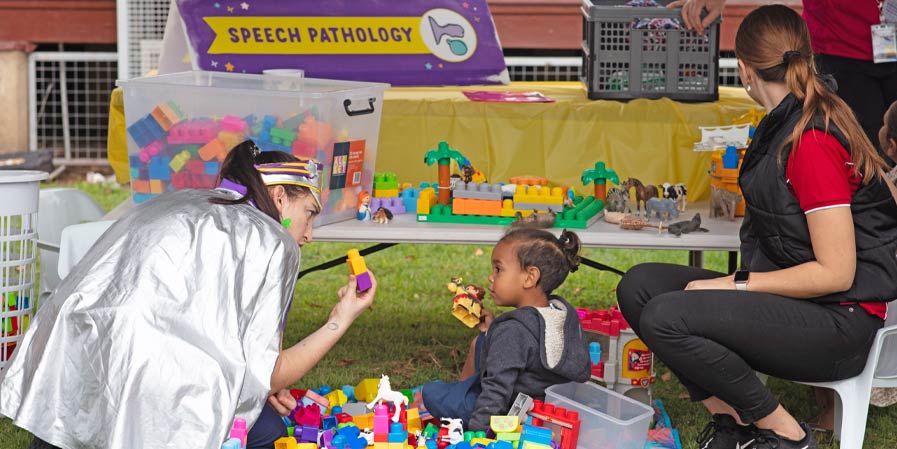
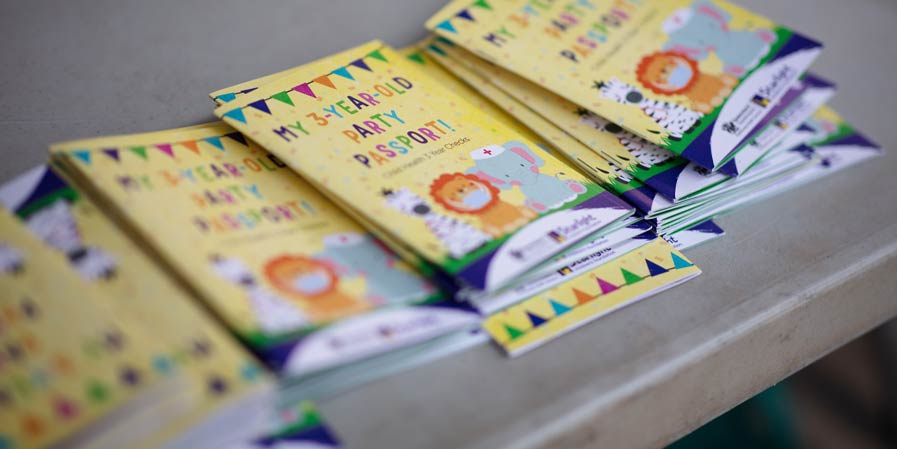
The Third Birthday Party addresses this challenge through the power of play. Children navigate the event with “health passports,” collecting stamps at health screening “stations” while Starlight Captains help transform these routine checks into fun activities.
The stories practitioners shared about the event revealed surprising benefits for the rural health workforce. One practitioner reflected, “Taking it outside of my clinic room and into the yard was probably the nicest thing about it. It’s very different to the hospital environment, and when they come here, the kids feel that it’s not quite that scary.”
“Because there was food, music, prizes, Captains, and a whole bunch of kids, it just turned into something really fun”
But while children receive crucial screening, something equally important happens among the rural health practitioners, with attendees telling us that these events provide authentic networking opportunities, allowing them to meet colleagues, building a clearer picture of available services across their region.
“It was really nice to engage with clinicians that we haven’t necessarily seen before,” says one practitioner. “It helps to build on that network, seek advice or refer to other existing services.”
“What I thought was really wonderful was meeting other professionals who are in our Southwest area,” remarks another. “We don’t have many functions like that to actually network with those people. I got some wonderful contacts there that I’ve been able to talk with and share my knowledge with. That was a really big positive. It felt like you weren’t the only one out there.”
Practitioners also described the experience as energising and rewarding. Some bring students to help, creating additional capacity while offering crucial cultural learning opportunities often limited in formal study.
“It was a great way for students to see families in a different environment and apply their skills in a non-clinical environment,” describes a supervising clinician.
“From my perspective, it’s absolutely essential that we’re actually getting students to become more aware of the communities and how to work within those remote areas. Particularly Aboriginal and Torres Strait Islander children.”
“Having a chance to meet the Elders that came was awesome as well,” reflects another,highlighting the cultural learning from the event.
The community-centred approach creates lasting relationships not just among colleagues, but the families they interact with. “Getting to know the community is probably the best thing,” one clinician states. “Just getting to mingle with the families… is probably the biggest effect for a clinician.”
“It showed a nice sense of unity, like we’re both working towards the same thing rather than just a push onto the community.” The Third Birthday Party initiative demonstrates how creative health initiatives can deliver multiple outcomes; while improving child health through early screening, these celebrations can also strengthen the rural health workforce.
The Early Intervention Healthy Ageing Program, funded by the Australian Government and delivered through Northern Territory Primary Health Network (NT Read more
You’ve heard of retirees going back to work. But what about returning to the workforce after you’ve retired twice? That Read more
During 2025 NAIDOC staff at Northeast Health Wangaratta (NHW) had an opportunity to participate in a group weaving activity. This Read more
It’s 4am, and I’ve been awake for 22 hours. My shift started at 2:30pm and the surgeries haven’t stopped all Read more