

A person with dementia can more easily be identified in a rural setting than in a city. People living in rural areas are more close-knit and often aware of their neighbours’ or friends’ changing behaviours, long before their family members living elsewhere.
Dementia or Alzheimer’s journeys vary. Even though with limited availability of support, it’s possible for a carer and care recipient to have a bonding experience in a community setting.
I cared for my former partner, neighbour and friend Hayden from 2016 until January 2025 in a small Queensland town. He had three serious pre-existing chronic conditions (profound hearing loss from Meniere’s Disease, insulin-dependent Diabetes 2, and Glaucoma), prior to his 2016 diagnosis of dementia. The hearing loss was often a challenge for geriatricians’ diagnosis or evaluation. During appointments, Hayden would instinctively look to me for help with hearing.
Hayden initially stayed in his home some 250 metres from mine. His very loyal, elderly dog Chook was a great comfort to him; however, Hayden sometimes forgot to bring him home from shop visits! Luckily, shop owners knew to contact me to retrieve Chook.
“Unfortunately, Chook died only months after Hayden’s dementia diagnosis. Amazingly, that very day, my Dalmatian Pirate decided to step up to a carer role. Pirate would stay overnight at Hayden’s house, trotting home only when Hayden got up in the morning to let him out – that way I would know all was well.
Gradually Hayden began staying at my place overnight, and when it became unsafe for him to be living mostly unsupervised, he moved in with me. He was by then receiving about 18 hours of social support each week from local workers, who either took him out or spent time with him at his home during the day.
Pirate’s role gradually expanded – I considered him the better carer out of the two of us! He would watch TV with Hayden, especially when I was outside in the garden. They were devoted to one another – until Pirate died suddenly in 2024.
Luckily, we had other animals around. Hayden loved my horses, and the wild birds and kangaroos in the garden. Bird feed time provided not just comfort but joy. He always called them ’my cockatoos/kangas’, so they clearly provided identity and agency. The named regulars became part of our “family”.
Recognisable local faces and places were helpful in maintaining Hayden’s serenity. And I’ll be forever grateful to his local support workers. In his last few years with me, Hayden had the same four support workers each week – that, along with excellent GP care, kept him stable and content for a long time.
I relinquished my carer role last year, but I remember many moments of great joy and hilarity – despite dementia, Hayden retained his lifelong sense of humour. One vivid memory of dementia generating great amusement remains: one day I was sitting on the verandah with Hayden and my BnB guest Frank, and I said to Hayden, “Frank enjoyed going for a horse ride this morning.” Hayden immediately retorted: “Who is Frank?!” (Frank, who had been staying in the house for a week, was sitting next to him!) Frank and I often chuckled about that outburst, and, later, so did Hayden.
Hayden now lives in an aged care facility in Northern NSW near a daughter and niece.I hope my carer experience is an encouraging story to those living alongside someone with dementia in a rural setting with limited support. In rural Australia, caring for a person with dementia can bring challenges, but also moments of connection, strength and unexpected joy.
Note: Dr Dan Wadsworth and A/Prof Sophie Andrews from the University of the Sunshine Coast assisted with writing this article. Dr Wadsworth is also attached to Manna Institute. The details identifying the care recipient are shared with the consent of his daughters/Enduring Power of Attorneys.
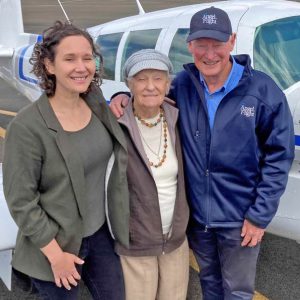
From the far reaches of Cape York to the rugged beauty of Kangaroo Island, Angel Flight is proud to have Read more
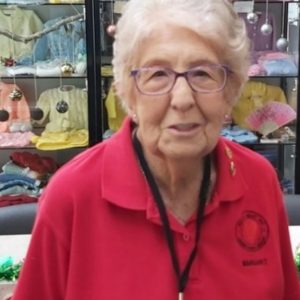
At the Whyalla Hospital’s foyer every weekday morning, greetings & conversation hums between customers and volunteers, at a booth located Read more
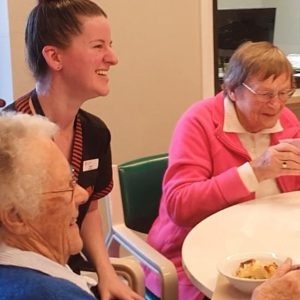
Tresna is 75 years old and resides in Deniliquin, an idyllic country town (MM4) in southern New South Wales, nestled Read more
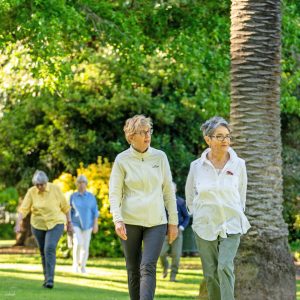
For many older people in rural Australia, staying connected, physically active, and mentally sharp can be challenging. Long distances, fewer Read more