


We are pleased to present this issue of Partyline, which focuses not only on rural and remote populations, but also those who can experience additional barriers to accessing health care. They include Aboriginal and Torres Strait Islander peoples, people living with disability, LGBTIQA+ communities, culturally and linguistically diverse communities, older Australians and people experiencing socioeconomic disadvantage.
Improving health outcomes means understanding these different experiences and ensuring that services are accessible, inclusive, culturally safe and responsive to their needs.
We recently concluded our 18th National Rural Health Conference in Adelaide/ Tarntanya, which was a powerful platform to bring together over 800 people, including priority populations, to discuss common challenges and bring insights into what can be done to overcome health inequity.
The conference demonstrated just how broad and interconnected rural health, disability and ageing really are. Under the theme Equity & Transformation: Shaping Rural Health, Disability & Ageing, the program brought together research, policy, practice, workforce, technology and community voices across three days. We heard about innovation taking place in rural communities, the importance of culturally supportive and inclusive services, the contribution of rural health professionals and the need to strengthen the systems that support them.
With over 300 oral presentations, over 60 lightning talks, workshops, and poster presentations, we heard clearly that rural communities must be at the centre of these conversations, rather than someone in a city who might not understand the context, geography or socio-economic situation. The conference demonstrated that rural, remote and regional Australia is rich in expertise, evidence and practical solutions. Ultimately, they are not asking for more. Rather, they are asking for equity and parity with urban populations.
The conference showcased the extraordinary breadth and depth of rural Australia’s health, disability and ageing landscape. Across three days, the program moved well beyond traditional health care to examine the workforce, education and training, primary care, nursing, allied health, aged care, disability, mental health, Indigenous health and wellbeing, maternity care, cancer, chronic disease, children’s health, carers and healthy ageing.
It also explored the systems that determine whether rural communities can access care: health economics, housing and infrastructure, recruitment and retention, innovative models of care, telehealth, AI and digital innovation, clinical trials, research capacity, preventive health and the social determinants of health. Importantly, the program put community needs first, through community-led and co-designed approaches, culturally safe care, rural research equity and community wellbeing.
The depth comes from bringing together researchers, clinicians, educators, policymakers, community leaders, consumers and people with lived experience. From rural emergency departments and workforce pipelines to disability, ageing, Aboriginal health, technology and the future of rural research, the conference demonstrated that rural health is not one issue; it is the intersection of health, inclusion, community, workforce, infrastructure and economic opportunity.
Advocating for equitable health outcomes means keeping the experiences of priority populations firmly on the national rural health agenda. It means asking whose voices may be missing, who is facing the greatest barriers and what can be done differently to improve access, quality and outcomes.
For example, LGBTIQA+ people living in rural and remote Australia are often further challenged by significant levels of stigma in health and other services, and discrimination, which impact their health and wellbeing. With over 340,000 LGBTIQA+ people living in regional, rural and remote Australia, they deserve further consideration and health access that all Australians value.
Australia is a multicultural society, and for around three decades, Australia’s migration policies have encouraged culturally diverse individuals and communities to settle in rural and regional areas. Migration has benefited our economy, culture, food and society. But, at the same time, investment in culturally responsive health care simply hasn’t kept pace, among many other health funding and service delivery challenges. When rural health challenges are added on top of existing cultural and language barriers, health care becomes unobtainable or a puzzle. Many multicultural communities are expected to navigate and understand our very confusing health system without a plan.
This issue of Partyline presents a wonderful mix of voices from the ground, speaking about First Nations health and opportunities for better care, mental health care challenges in the bush, the importance of care and connection for cancer patients, focusing on men who suffer silently, women’s health and much more.
Our member Angel Flight writes about how rural populations struggle with accessing timely health care and how the service it provides becomes a lifesaver. Another NRHA member, Rural Doctors Foundation, speaks about timely interventions that identify and address ear health issues early, as rural communities face higher rates of hearing loss than their metropolitan counterparts. The Australian Communications Consumer Action Network (ACCAN) highlights the Universal Outdoor Mobile Obligation (UOMO) Bill. It echoes NRHA’s concerns for rural connectivity, calling for reforms to connect more communities, support regional businesses, and improve access to health, safety and essential services.
Thank you to our members, Friends and Allies, our partners, as well as all other organisations working with rural communities who share stories about personal struggles, innovative solutions and learnings with Partyline readers. We also appreciate our advertisers who support us in bringing these stories to our readers.
As we move forward, we will continue to listen, connect and share what works, highlighting that a person’s postcode does not determine health outcomes, especially when it comes to priority populations.
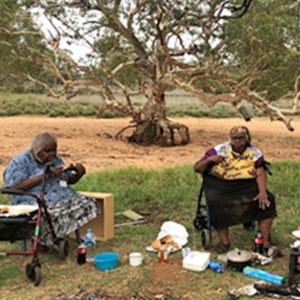
The Early Intervention Healthy Ageing Program, funded by the Australian Government and delivered through Northern Territory Primary Health Network (NT Read more
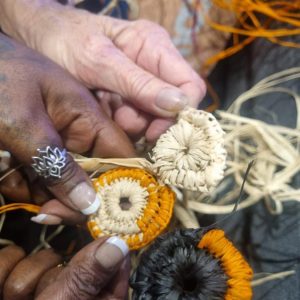
During 2025 NAIDOC staff at Northeast Health Wangaratta (NHW) had an opportunity to participate in a group weaving activity. This Read more

It’s 4am, and I’ve been awake for 22 hours. My shift started at 2:30pm and the surgeries haven’t stopped all Read more
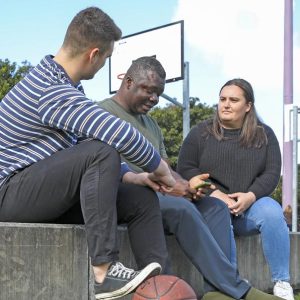
Rural mental health professionals face unique challenges – from professional isolation to high caseloads and limited peer support. But innovative Read more