

When Sarah (pseudonym) returned home after cancer treatment, the hardest part wasn’t the kilometres she had travelled for care. It was knowing where to turn once she was back in her community. Like many people living across the Pilbara, she didn’t need another brochure or appointment reminder – she needed someone to help her navigate what came next.
Her story is one shared by many people living in rural and remote Australia. While cancer treatment may take place in major centres, the emotional, practical and social challenges often continue long after people return home. Distance, isolation and limited local services can leave people feeling as though they are facing cancer alone.
Listening to people affected by cancer highlighted an important reality. The Pilbara is home to amazing, dedicated health professionals and committed organisations, but there was no Pilbara region cancer-specific forum bringing services together. Rather than offering another standalone service, the focus shifted to integrating existing services, with our model filling the gaps while also providing additional functionality.
This led to the establishment of the Pilbara Cancer Alliance, bringing together cancer-funded organisation, hospitals, Aboriginal Health Services, primary care providers, prevention teams and community partners to strengthen collaboration across the region. The alliance provides a shared space to identify local priorities, improve communication and develop practical solutions that make the cancer journey easier for people and their families.
Alongside this work, Solaris Cancer Care introduced a regional navigation model designed to bridge the gaps between services, rather than simply referring people elsewhere, the model supports individuals through the cancer journey, connecting them with the right support at the right time – whether that is counselling, practical assistance, financial guidance, airport pick-ups, arranging clothing suitable for the weather whilst they are down for treatment, or linking to another local service. It recognises that no single organisation can meet every need, but together they can provide a more connected experience.
Telehealth has also become an important part of that journey, reducing the need for long-distance travel while ensuring people can continue accessing psychosocial support from their own communities. Our team will spend many weeks on the road, travelling to some of the most remote areas to check-in on clients in the comfort of their own communities. Combined with stronger partnerships, the navigation model has shifted the focus from isolated services to coordinated, person-centred care.
The greatest measure of success, however, is not the number of meetings held or referrals made.
It is the person who feels heard after their session.
It is the family who knows they don’t have to navigate cancer alone.
It is the local clinician who knows exactly where to connect someone with the support they need.
It is the person knowing that when they arrive in Perth for the first time, there will be a navigator waiting at the baggage carousel to take them to their accommodation.
These are the moments that matter the most.
Sarah knows firsthand the challenges that come with navigating cancer treatment while living outside a major centre. Her experience highlights the realities faced by many regional cancer patients, from travelling long distances for care to finding support and guidance throughout their treatment journey.
For Sarah, having a dedicated navigator provided reassurance and support during a time of uncertainty, helping her and her family feel connected and supported throughout her cancer journey.
“The navigator did a great job of looking after us, we wouldn’t be here without her…Thank you so much for your help and support in getting accommodation sorted… You did an incredible job in supporting me and helping secure a place to stay.”
Rural and remote communities have always demonstrated resilience, compassion and a willingness to work together. As the needs of regional Australia continue to grow, improving health outcomes will depend not only on excellent clinical care, but on strong partnerships, shared leadership and services designed around people rather than organisations.
Cancer affects every community, but where someone lives should never determine the support they receive. By connecting organisations, strengthening local relationships and helping people navigate their cancer journey with confidence, we can ensure that rural Australians receive not only treatment, but the care, connection and hope they deserve.
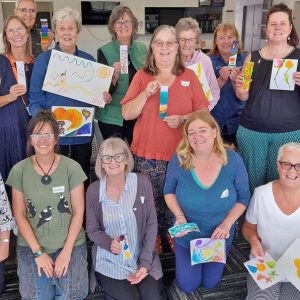
People affected by cancer in rural and regional communities need access to support at all stages of the cancer care Read more
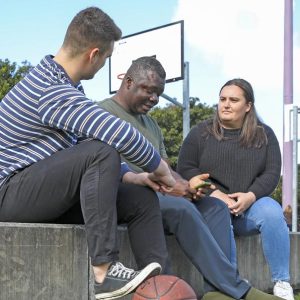
Rural mental health professionals face unique challenges – from professional isolation to high caseloads and limited peer support. But innovative Read more
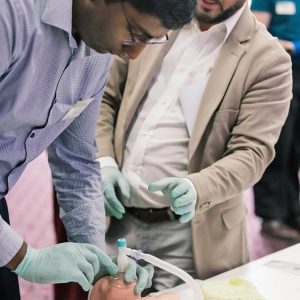
One third of Australians live in rural, regional, and remote areas. Delivering quality health education, research, and services to these Read more
Rural and remote towns rely on GPs more than any other part of Australia. A single doctor can be the Read more