
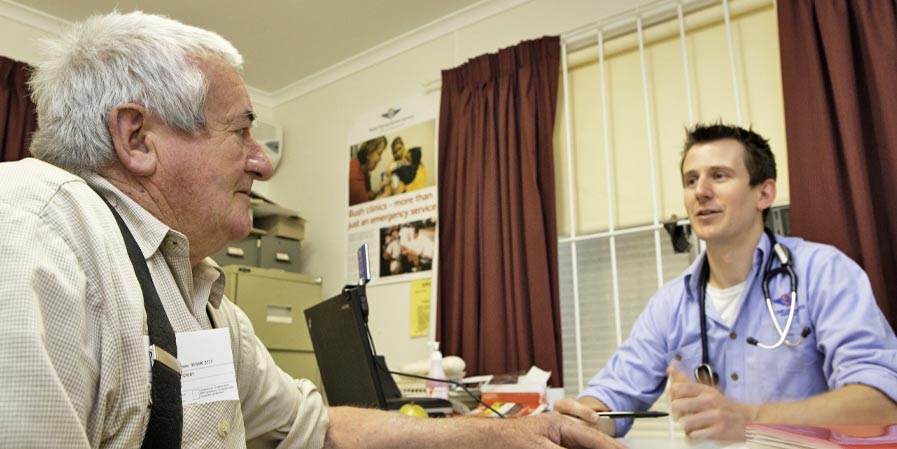
Across Australia’s rural and regional communities, there’s a familiar phrase often used when a health concern arises: “It’s probably nothing.” Whether it’s a lingering ache, a shift in mood, or a change that’s easy to dismiss, many men choose to wait it out, hoping it goes away. It’s a well-worn narrative, one built on stoicism, self-reliance, and a desire not to burden already stretched health services.
But putting off that check-up can mean missed chances to catch problems early – when they’re often easier to treat or even prevent. That’s the message behind the national See Your GP campaign, run during Men’s Health Week (9-15 June 2025) by the Centre for Male Health at Western Sydney University and Healthy Male.
While the campaign is national, it’s particularly relevant to rural and regional men, who often face additional barriers when it comes to accessing care, such as distance, limited appointment availability, and a culture of “toughing it out. Rather than pushing a one-size-fits-all solution, the See Your GP campaign encourages men to engage with primary care at key points across their life – recognising that health needs change over time.
For younger men, regular contact with a GP can set up strong habits for life. Whether it’s checking in on mental health, discussing reproductive health, or managing sports injuries, early engagement helps break down stigma and build familiarity with the health system. The campaign provides tools like the When to Check What guide, offering age-based health check recommendations in plain language.
Working-age men often face time pressures and cultural expectations to “get on with it.” But conditions like high blood pressure, cholesterol, or early signs of chronic illness can go unnoticed without regular check-ups. The campaign highlights that a GP visit doesn’t have to be time-consuming or complicated, and it’s often a proactive step, not a last resort.
Older men, particularly those managing multiple conditions, benefit from consistent relationships with primary care providers. In areas where GP shortages are an issue, the campaign also points to alternatives such as telehealth, nurse practitioners, or local clinics.
Importantly, See Your GP supports a community-based approach. A resource for community groups, the How to Celebrate Men’s Health Week guide, provides suggestions for local engagement, from men’s shed meetups to sporting club events. These activities make space for conversations that might not happen in a clinic but can lead men to take the next step.
This campaign isn’t about blaming men for delaying care. It’s about supporting better access, better communication, and ultimately, better outcomes. Rural men deserve health care that meets them where they are – and sometimes that starts with a simple conversation and a nudge to book that appointment.
Explore the campaign resources and get involved this Men’s Health Week by visiting: seeyourgp.org.au