

COTA QLD has been advocating for over 60 years to ensure all older people’s rights, needs and interests are heard. Every Tuesday around 9:00AM, Sue Bowles arrives at the office to volunteer her time and expertise, working with Steph Power on policy, undertaking in-depth research on key topic areas that inform COTA QLD’s advocacy and policy work.
Queensland recently held a Parliamentary Inquiry into Volunteering. Sue has over 35 years of experience as a volunteer, in addition to living, working, and raising a family in rural communities. Sue worked with Steph to ensure rural and remote voices were represented.
Through speaking to many older Queenslanders over the years, COTA QLD realise that creating age-friendly communities supports health, independence, and social connection. Age-friendly means accessible transport and buildings, opportunity for participation, and ongoing community engagement to hear what people enjoy, need, and want to change. It means learning more about what volunteering communities look like. Volunteering is a huge part of keeping communities age-friendly and offers older people meaningful ways to contribute.
Sue has observed the positive impact of volunteering in rural communities, and the need to retain volunteers – especially when communities are met with challenges such as severe weather events where livelihoods are threatened through crop and stock losses or costs from replacing infrastructure like silos, tractors, fencing, and housing. There are also costs in rebreeding stock, fixing homes, and mitigating outbreaks of disease.
Sue appreciates that the issues that farming communities face can be overwhelming. These cumulating circumstances can lead to poorer health. Health workers, mental health workers, social workers along with Red Cross, for example, should be available with government support and volunteers.
Farmers are deeply resourceful and are aware of community needs especially during emergencies, but with the growing impact of climate change, more resources should be explored. This is where volunteers shine – thinking about how best to help within their areas of expertise, and where it is needed most.
As part of the response to the Volunteering Inquiry, COTA QLD called for more opportunities for older people in rural communities. This included expanding the reach of Volunteering Resource Centres and improving local coordination by investing in regional projects. There needs to be more support for dedicated spaces where volunteers can connect and upskill such as libraries, neighbourhood centres, and seniors’ interest groups, especially where no dedicated Volunteering Resource Centre exists.
COTA QLD recommended a mobile volunteer hub (e.g., a community van) to travel to rural areas, offering training, recruitment support, and networking. This service would promote access to free quality information and guidance such as Volunteering Queensland’s Seniors Volunteering resources (https://vq.volunteeringqld.org.au/seniorsvolunteering/), made accessible for people of all capacities.
COTA QLD also called for financial incentives for committed volunteers. A Volunteer Expense Reimbursement Program could cover transport and meals particularly for those in emergency services and who support vulnerable community members.
Recruiting and retaining older volunteers in disaster (especially fire and flood) services is vital. COTA QLD’s suggestions included targeted campaigns for retired professionals and farmers, destigmatising mental health supports for emergency volunteers, simplifying administrative processes to volunteer, and incentives like fuel subsidies or tax deductions.
COTA QLD further encouraged age-friendly roles like dispatch coordination, radio operations, and fire tower observation. The organisation also stressed inclusive training materials with captions and Auslan interpretation, and adaptive training for older adults with changing capacities or living with disabilities.
Sue reflected on the recruitment of retired teachers, nurses and farmers – people embedded in communities and attuned to local needs. Sue feels corporate volunteering should be explored further, along with raising council awareness around volunteer workforces and discussing matters in ‘Town Hall’ style meetings.
With these changes, Sue and Steph feel that older volunteers will be best supported to continue making vital contributions to rural and remote communities, strengthening community resilience.
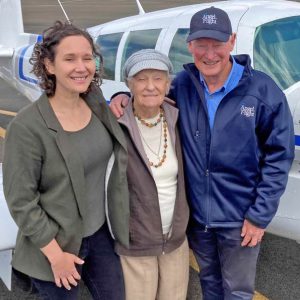
From the far reaches of Cape York to the rugged beauty of Kangaroo Island, Angel Flight is proud to have Read more
At the Whyalla Hospital’s foyer every weekday morning, greetings & conversation hums between customers and volunteers, at a booth located Read more
Tresna is 75 years old and resides in Deniliquin, an idyllic country town (MM4) in southern New South Wales, nestled Read more
For many older people in rural Australia, staying connected, physically active, and mentally sharp can be challenging. Long distances, fewer Read more