
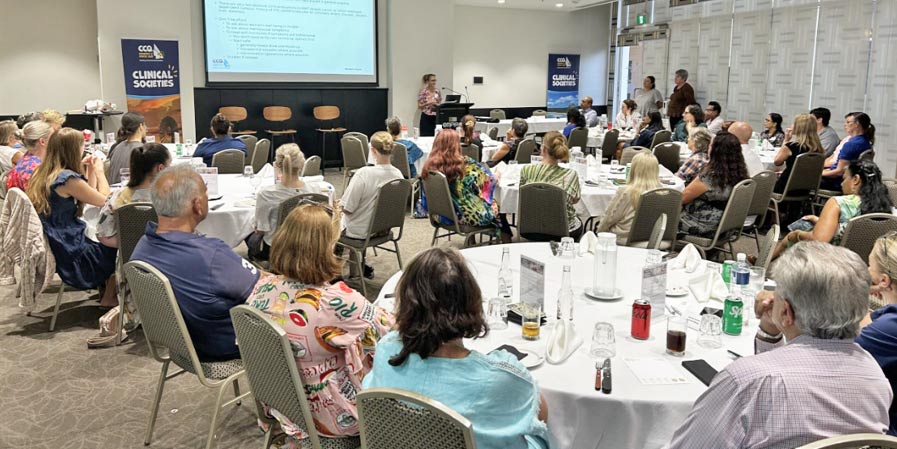
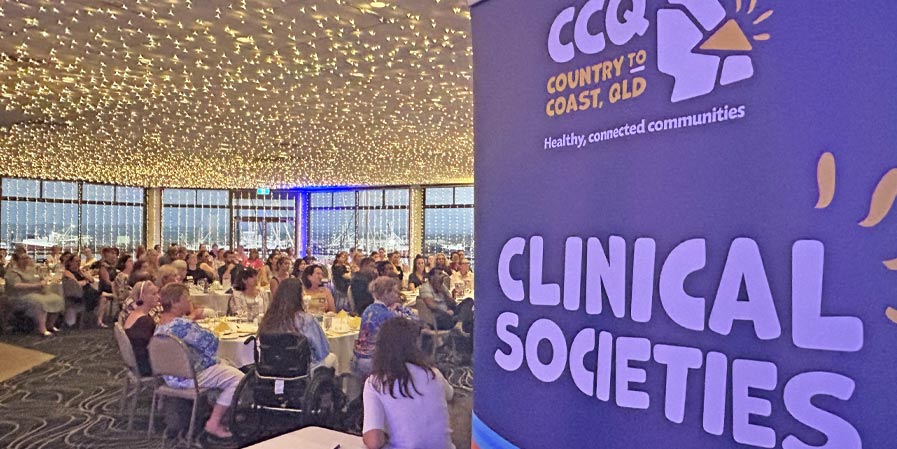
On a warm evening in Rockhampton, more than fifty clinicians, community workers and locals gathered at the Empire Apartment Hotel, buzzing with something often missing from conversations about women’s health — energy, honesty and a sense of momentum.
The event, Choice and Change: Supporting Healthy Ageing for Women, launched Country to Coast Queensland Primary Healthcare Network’s (CCQ) 2025 Clinical Society series and signalled a bold shift in how Central Queensland is approaching menopause, perimenopause and the often-overlooked health needs of women in midlife.
“This is a conversation that should’ve started years ago,” said a local a practice nurse with a strong background in women’s health. “We know over half the population goes through menopause, but too often women feel confused, dismissed or even ashamed. Tonight is about changing that.”
Drawing inspiration from the 2024 Senate Inquiry into menopause and perimenopause, the evening brought together local health professionals committed to reshaping midlife care.
Dr Haller opened with a walk-through of a modern, evidence-based midlife consultation. Rather than focusing solely on hot flushes or irregular periods, she highlighted a broader approach — one that includes mental health, bone density, cardiovascular risk and the importance of simply listening.
“Women aren’t just coming in with one issue,” she said. “They’re coming in with sleep trouble, brain fog, relationship stress, anxiety. If we only treat the symptoms, we miss the full picture.”
Physiotherapist Mischa Bongers from Pelvic Fix Physiotherapy emphasised the foundational role of movement, muscle strength and pelvic health in ageing.
“Healthy ageing isn’t just about living longer — it’s about maintaining independence, confidence and comfort in your own body,” she said. Mischa’s practical advice covered everything from bone health and falls prevention to bladder control, bowel function and sexual wellbeing.
Later, Endocrinologist Dr Thomas Ulahannan unpacked the science behind menopause symptom management, demystifying hormonal and non-hormonal therapies. He addressed confusion stemming from the Women’s Health Initiative study and helped build confidence in prescribing evidence-based treatments.
Importantly, the tone of the evening was collaborative. “There was no one-size-fits-all solution,” said one local nurse. “We’ve been given a toolbox — strategies we can adapt to our communities and patients.”
A closing panel discussion drew on local expertise and explored ways to sustain momentum, improve access and better integrate support for women’s health across regional teams.
Attendees left with more than knowledge. “I’ve worked in health for 25 years,” shared one participant. “This is the first time I’ve seen menopause being discussed with respect, curiosity and urgency.”
For CCQ Chief Executive Julie Sturgess, Choice and Change is more than a professional development event series—it’s a regional call to action. “By uniting GPs, specialists, allied health professionals and the broader healthcare community, our Clinical Society events are proving that meaningful change starts locally, with conversation and collective action.
“Women in our region deserve care that’s up to date, empathetic and easy to access,” said Ms Sturgess. “And thanks to nights like this, we’re getting closer to making that a reality.”
Choice and Change: Supporting Healthy Ageing for Women has now been held in nine towns across the CCQ region, sparking similar discussions and reinforcing regional primary care’s commitment to community-led, life-stage health.
For enquires and support, contact the Country to Coast Queensland team: email [email protected]
People affected by cancer in rural and regional communities need access to support at all stages of the cancer care Read more
When she moved back to Western Australia after 17 years away, she wasn’t sure what to expect. She had left Read more
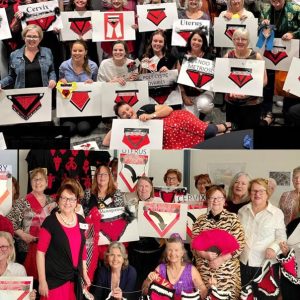
For many women in rural Australia, talking about gynaecological health still feels uncomfortable. For some, it feels impossible. I know Read more

For ‘Leah’ (pseudonym), a woman from a small Aboriginal community in North Queensland, privacy was one of the most distressing Read more