
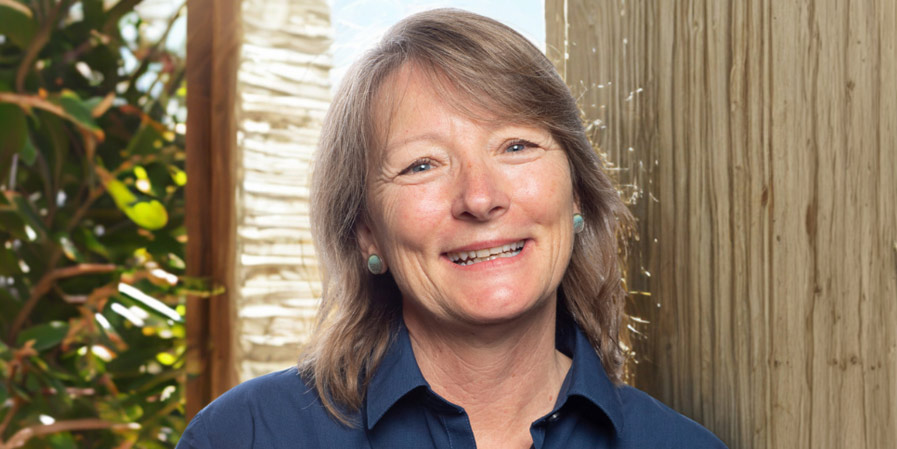
For Carolyn, a regional nurse and rural melanoma survivor, life changed with a diagnosis of ocular melanoma, a rare cancer she had never heard of. Her melanoma was first detected during a routine eye check, which led to a referral to the Eye and Ear Hospital in Melbourne.
Within 24 hours, she had received a diagnosis, and a clear treatment plan was put in place, with Melanoma Patients Australia playing an important role in supporting her care and treatment journey.
“I was craving reliable information, and Melanoma Patients Australia helped guide me to reputable sources. They didn’t just give me information; they helped me understand it and showed me how to navigate a complex health system.”
Australia has one of the highest rates of melanoma in the world. Yet, access to specialist support still depends heavily on postcode. For many people outside metropolitan areas, support that sits alongside treatment, such as information, emotional support and help navigating care, can be difficult to access.
Melanoma Patients Australia has stepped in to bridge this gap.
Australian and international research consistently shows that the greatest unmet needs for people affected by cancer, including melanoma, sit outside direct clinical treatment. These include health system navigation, access to clear information and psychological support. Needs are especially high at key transition points such as diagnosis, completion of treatment or recurrence.
More than half of the people who accessed Melanoma Patients Australia’s services last year lived in rural or regional Australia. Their needs are not different in nature from those in metropolitan areas, but they are far harder to meet without targeted, specialist support.
Melanoma Patients Australia’s model of care was developed to ensure that no one diagnosed with melanoma misses out on specialist melanoma support, regardless of where they live.
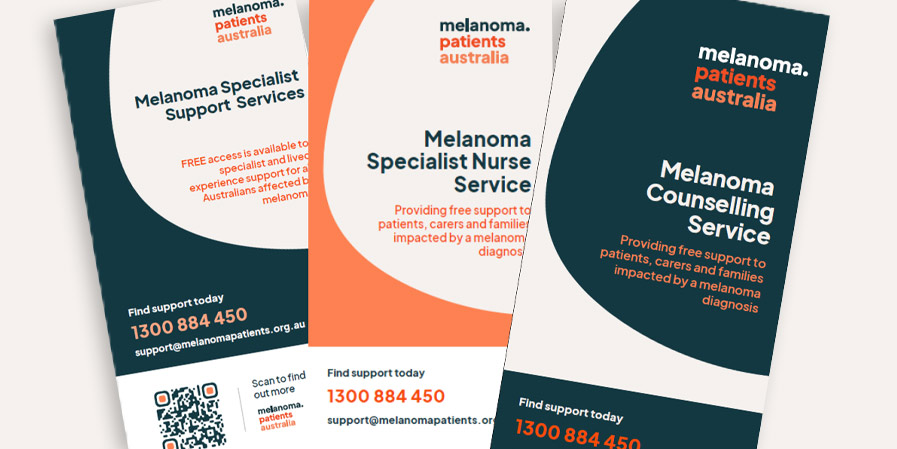
The organisation does not provide clinical treatment. Instead, it delivers specialist melanoma supportive care through a national, nurse-led telehealth service. This includes a nurse navigator, specialist melanoma nurses and a nurse counsellor who work alongside hospital and primary care teams to complement, rather than replace, existing health services.
People can connect with Melanoma Patients Australia at any point along the melanoma pathway – at diagnosis, during treatment or as they transition into survivorship. The model is flexible and tiered, allowing individuals to move between levels of support as their needs change. The approach focuses on providing individualised support to empower patients toward self‑navigation.
Services extend beyond nursing care. A national nurse-led support line provides a point of contact for information, guidance and referrals, while melanoma support groups, delivered online and in the community, connect people with others who understand the experience of melanoma. For many, peer support reduces isolation and provides hope, particularly when distance limits access to services.
Nurse-led navigation is central to Melanoma Patients Australia’s approach and plays a unique role in helping people understand their diagnosis and treatment, reinforcing information, identifying concerns early, coordinating care and providing psychosocial support. For melanoma patients who may never see a specialist nurse locally, this role is critical.
By supporting people at key transition points, Melanoma Patients Australia helps prevent unmet needs from escalating into distress, disengagement or avoidable health presentations.
“Connecting with Melanoma Patients Australia was an absolute lifeline. The nurse provided expert, compassionate support when I needed it most and helped me feel confident navigating my care,” said Carolyn, a rural melanoma survivor.
Melanoma Patients Australia’s nurse-led telehealth model demonstrates how specialist supportive care can seamlessly integrate with other health service providers as part of patient care planning, reducing service and support inequity for people affected by melanoma in rural and remote communities.
People affected by cancer in rural and regional communities need access to support at all stages of the cancer care Read more

It’s 4am, and I’ve been awake for 22 hours. My shift started at 2:30pm and the surgeries haven’t stopped all Read more
Growing up in rural Queensland instilled in Dr Prue Wallin resilience, compassion, and a deep respect for community—values that shaped Read more
In farming communities across Australia, the pressures of rural life are constant. From isolation and financial stress to extreme weather Read more