
For many older Australians living in residential aged care homes, accessing health care can be difficult – especially in rural and remote communities where workforce shortages, travel distances, and limited specialist services remain everyday realities.
Telehealth has become one of the ways services are trying to close that gap. But as recent work from the Centre for Online Health at The University of Queensland (UQ-COH) shows, successful telehealth is about far more than simply turning on a video camera.
Reflecting on a recent paper published in the Journal of Telemedicine and Telecare, we highlight that “virtual care” includes a wide range of services, such as video consultations, telephone appointments, remote monitoring, and online clinical support. To quote from the journal: “While technology is important, the real challenge is helping health services build telehealth into everyday care in ways that work for staff, clinicians, residents, and families”.
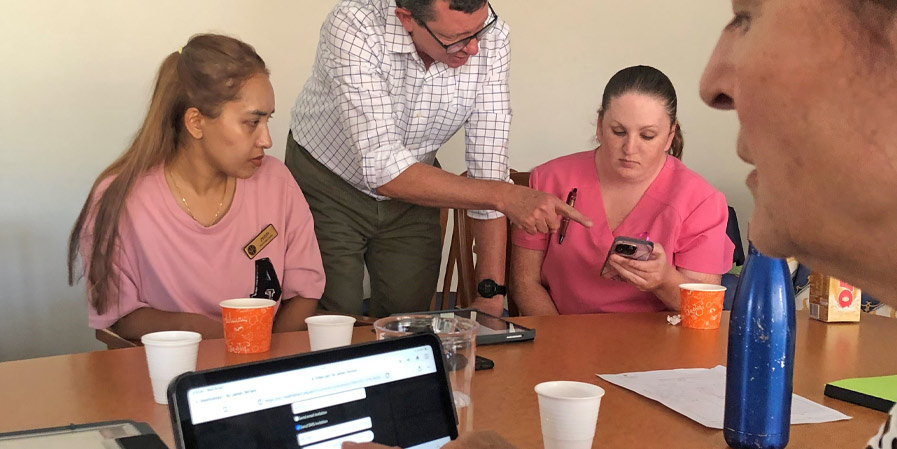
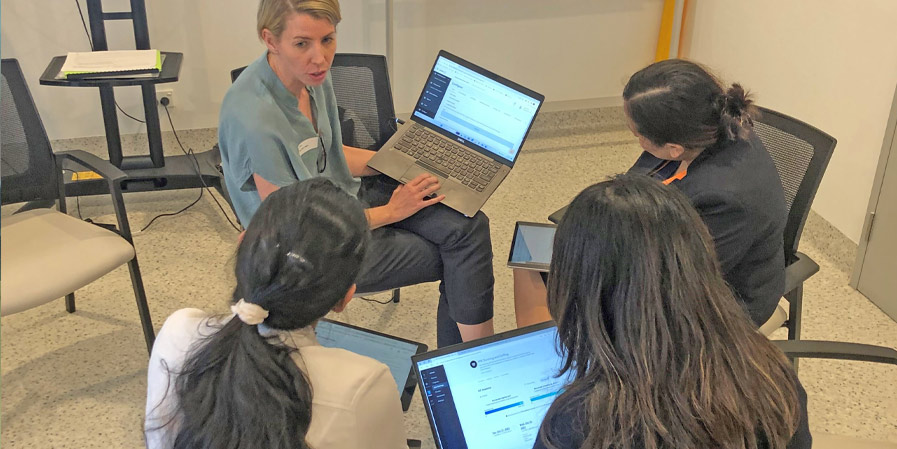
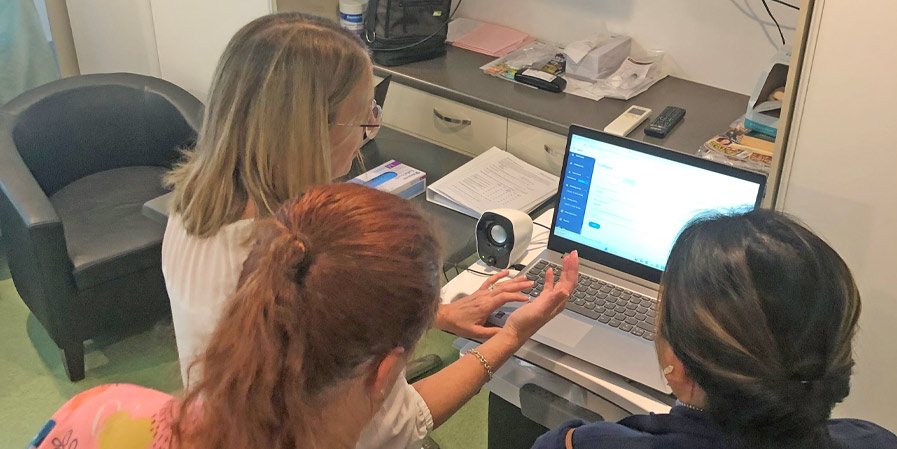
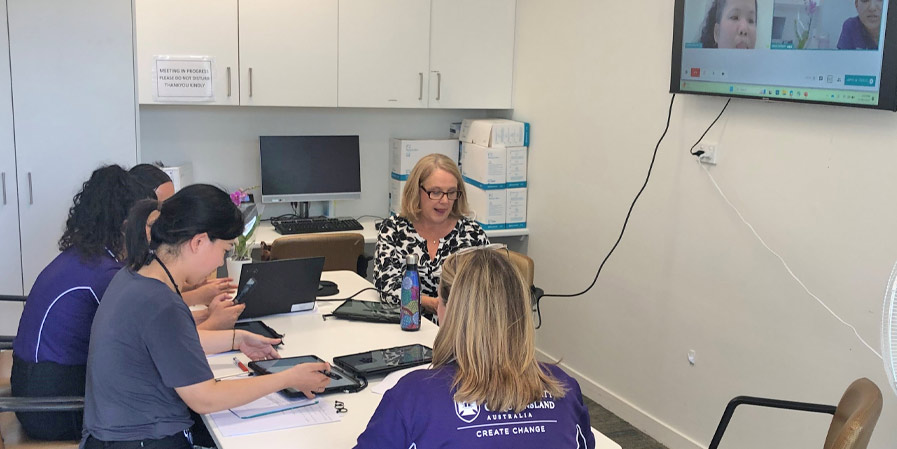
That became clear during a recent partnership between the UQ-COH and the Brisbane North Primary Health Network, which supported 41 residential aged care homes across Queensland with on-site telehealth training and business process support.
What our team found on the ground was that no two aged care homes were the same.
The sentiment towards telehealth was mainly very positive. Some facilities struggled with unreliable connectivity. Most faced workforce shortages, limited digital confidence, or difficulties coordinating appointments with external clinicians. In some locations, telehealth equipment was available but rarely used because staff were unsure how to integrate it into busy daily workflows.
The project focused on practical support. Staff received hands-on training in conducting telehealth consultations, preparing residents, managing equipment, and coordinating communication with doctors and specialists. Facilities were also supported to redesign workflows, so telehealth became part of routine care rather than an “extra task” added to an already stretched workforce.
The follow-up evaluation showed growing staff confidence and greater awareness of what telehealth could offer. But it also revealed an important lesson: telehealth adoption is not a one-off event.
Providing equipment alone is rarely enough. Sustainable telehealth requires ongoing engagement, leadership support, training, and collaboration between aged care homes, clinicians, managers, and external healthcare providers.
Importantly, the benefits extend beyond convenience.
For residents, telehealth can reduce stressful travel, avoid unnecessary hospital transfers, and improve access to timely care. For health professionals, particularly those working in rural and remote areas, virtual care can strengthen professional connections, improve continuity of care, and reduce feelings of isolation.
In many communities, telehealth is also helping local services keep care closer to home. Instead of replacing rural health care, it can strengthen local capability by connecting staff with specialist advice, education, and support when needed.
Despite decades of telehealth experience in Australia, many familiar challenges remain. Connectivity issues, workforce pressures, funding models, and integrating telehealth into everyday practice continue to affect uptake, particularly outside metropolitan areas.
Yet, there is growing recognition that virtual care will remain an important part of the future health system – especially for rural, remote, and aged care communities.
Many of these real-world successes, failures, and lessons learned will be explored further at the upcoming Successes and Failures in Telehealth conference in Brisbane this November, which marks the event’s 25th anniversary.
“Continuing to share practical experiences is critical”.
“As healthcare continues to evolve, we need to better understand not only where virtual care succeeds, but also the barriers communities and services still face. Those lessons are essential if we want telehealth to genuinely improve access, quality, and sustainability of care for rural Australians.”
Rural healthcare remains the lifeblood of the nation's health system, grounded in community connection, resilience, and adaptability. As a nursing Read more
Two innovative and community-driven programs are tackling the vast distances and limited services that shape health and daily life in Read more
Walking into Northcliffe Family and Community Centre for the first time, two occupational therapy students and their supervisor are met Read more
Across rural and regional Australia, communities are ageing, and the shortage of health professionals is increasingly evident. At Beaufort and Read more