
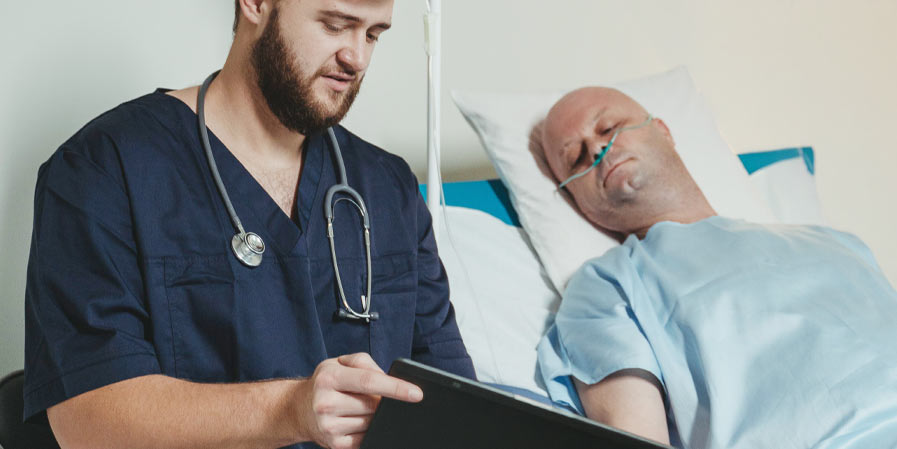
Picture a small rural hospital, three hours from the nearest specialist. A nurse helps a patient settle into a chair and starts a video consultation with a doctor joining from somewhere else. The patient has waited for this appointment. The screen flickers, the sound drops out, and for a moment, everyone waits to see whether the connection will hold.
This is a typical scene, but the concern behind it is real. For many rural communities, the telehealth story does not start with a new device or platform. It starts with a familiar problem: someone needs care, but the right health professional is hours away.
For a patient in a small town, a video consultation can mean avoiding a long drive, taking less time away from work or family, and getting advice sooner. For a nurse in a rural hospital, it can mean having a doctor or specialist on screen when local support is stretched. In those moments, technology is not just ‘innovation ’; it becomes part of the care team.
My PhD research looks at how telehealth can support fairer access to health care for rural Australians. Across this work, one lesson has become clear: telehealth works best when it is designed around people, not just around technology.
A video call can help overcome distance, but only if the patient has reliable internet connection, a suitable device, enough privacy, and confidence using the service. It also needs to feel safe, culturally appropriate and connected to local care. If these basics are missing, telehealth can create a new barrier instead of removing an old one.
This matters because rural communities are not all the same. Some people are comfortable using digital tools. Others may have limited internet, low digital confidence, language or accessibility needs, or concerns about who can see their health information. A service that works well for one person may not work for another.
In a recent NSW survey of adults, my research found that people did not only care about whether telehealth was available. They cared about whether it was trustworthy, easy to use, clinically appropriate, and connected to their usual care. These are not extra features. They are the basics that make virtual care usable.
Good rural telehealth is not only about putting a clinician on a screen. It is about making sure the screen is connected to the patient’s local health journey — through local nurses, clear follow-up plans, shared records, interpreter services, or help for patients unfamiliar with digital systems. It also means listening to rural communities about what works and what does not.
In some parts of NSW, telehealth services are already being paired with locally-based clinicians and on-the-ground nursing support. In these models, the screen becomes a bridge to local care, not a replacement.
One of the strongest messages from my work is that telehealth should not be treated as a one-size-fits-all solution. Rural patients often value the same things as everyone else: timely care, trusted clinicians, clear communication, privacy, and continuity. Technology can help deliver these things, but it cannot replace them.
For rural Australia, the promise of telehealth is real. It can bring care closer to home, support stretched local workforces, and reduce the burden of travel. But its success depends on whether services are built with equity in mind from the beginning.
The future of rural health technology should not only ask, “Can we deliver care remotely?” It should also ask, “Who can use this care, who may be left out, and what support do they need?”
That is where innovation becomes more than a digital tool. It becomes a way to make health care fairer, practical and connected for rural communities.
As a fourth-year medical student, Xanthie Harvey recently had the opportunity to complete a rural general practice (GP) rotation with Read more

It’s 4am, and I’ve been awake for 22 hours. My shift started at 2:30pm and the surgeries haven’t stopped all Read more
Growing up in rural Queensland instilled in Dr Prue Wallin resilience, compassion, and a deep respect for community—values that shaped Read more
Rural GPs are the backbone of their communities, providing cradle-to-grave primary care, supporting hospitals, responding to emergencies, and often doing Read more