
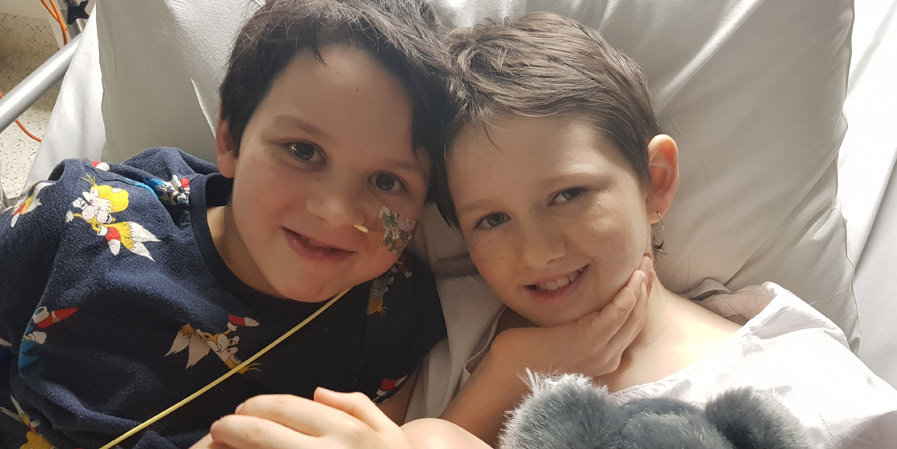
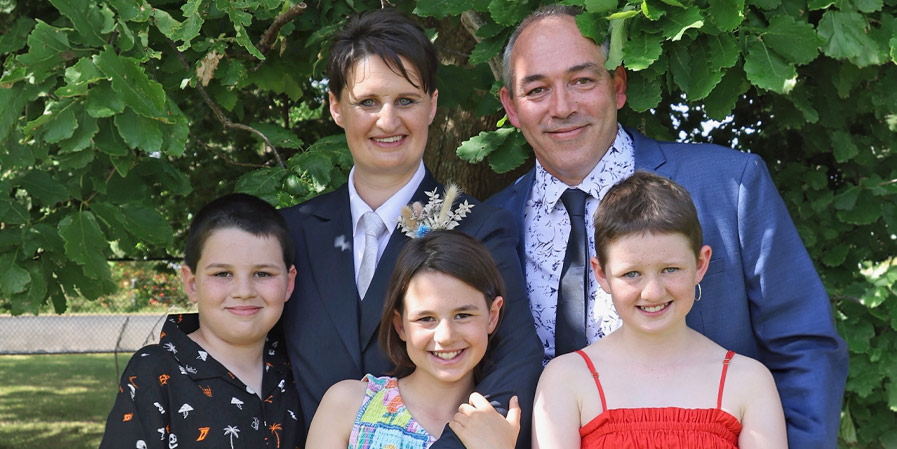
When 11‑year‑old Thomas from Warrnambool suddenly became pale and exhausted at school, his parents, Jo and Chris, knew something was wrong. An urgent hospital visit led to an initial diagnosis of leukaemia, followed by emergency transfusions to stabilise his condition and a transfer to the Royal Children’s Hospital in Melbourne. Further testing revealed the true cause: Aplastic Anaemia, a rare and life‑threatening Bone Marrow Failure Syndrome requiring a bone marrow transplant for cure.
For a regional family, the diagnosis reshaped every part of life. Treatment meant repeated travel to Melbourne, long stretches away from home, and the emotional weight of being separated from their community and support networks. Accommodation costs, time off work and the uncertainty of caring for a seriously ill child added layers of stress that families in rural areas know all too well.
As Thomas began months of treatment and weekly hospital visits, the family waited anxiously for news of a bone marrow donor. When his sister, Amy, was confirmed as a match, the relief was immense. The day before the AFL Grand Final, Thomas started chemotherapy, and Amy donated her bone marrow—an experience Jo describes as “deeply emotional for all of us”.
Throughout this journey, one of the most important sources of support didn’t come from a hospital visit or medical appointment; it came from a virtual Tele-Support service.
Living regionally meant Jo often had questions, worries and decisions to navigate outside of clinical appointments. Through the Tele‑Support service, she was able to connect with an experienced nurse who understood Bone Marrow Failure Syndromes and could provide guidance, reassurance and clear explanations at moments she needed them most.
“It made a difference to know someone cared about all of us, not just Thomas,” Jo says.
“As a nurse, she understands the ins and outs of the hospital. She helped me understand what was being done and why.”
For families like Jo’s, technology isn’t a convenience; it’s a lifeline. Virtual support reduces isolation, provides timely clinical information, and helps families maintain emotional stability during long periods away from home.
The Tele‑Support service that helped Jo and her family is delivered by Maddie Riewoldt’s Vision (MRV), Australia’s only organisation dedicated to improving outcomes for people living with Bone Marrow Failure Syndromes.
MRV’s national Tele‑Support, Peer Support, and online education programs are designed to ensure that no patient or family faces a Bone Marrow Failure Syndrome diagnosis alone, no matter where they live.
These virtual services provide:
- Personalised education from specialist nurses
- Emotional support and guidance during diagnosis, treatment and recovery
- Connection with others who have lived experience
- Free access to expert information without the need to travel
For rural and regional families already juggling travel, financial strain and time away from home, these programs offer accessible, reliable and compassionate support during some of the most challenging periods of their lives.
Today, Thomas is home and back at school. The family remains deeply grateful for the support they received from their community, local organisations, and the virtual services provided by MRV that helped them stay informed and connected throughout treatment. Jo’s advice to other families is simple: “Take it one day at a time.”
Through research, national support services and improved access to specialist information, MRV continues to work toward a future where every family facing a Bone Marrow Failure Syndrome diagnosis can access the support, connection and hope they need, regardless of geography.

It’s 4am, and I’ve been awake for 22 hours. My shift started at 2:30pm and the surgeries haven’t stopped all Read more
Rural mental health professionals face unique challenges – from professional isolation to high caseloads and limited peer support. But innovative Read more
Growing up in rural Queensland instilled in Dr Prue Wallin resilience, compassion, and a deep respect for community—values that shaped Read more
In the Murrumbidgee region, health professionals are doing remarkable work. Across vast distances and complex systems, they deliver person-centred care, Read more