
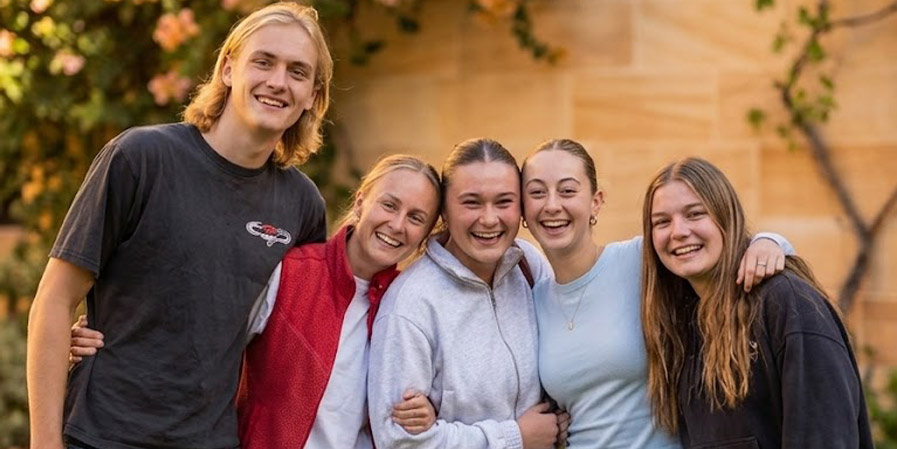
The first student to enrol in the 2027 Students Aspiring to Study Medicine at Curtin Program resides in a small agricultural town in the north-eastern Wheatbelt of Western Australia. For Alice (pseudonym), the final years of secondary schooling will be conducted entirely from her kitchen table; here, technology serves as the essential bridge between a remote farmhouse and a future in health care. While her urban counterparts frequent physical libraries and lecture theatres, Alice will rely on a laptop and a stable internet connection to access the same opportunities.
The Students Aspiring to Study Medicine program was established specifically to support such students. Over four weeks, rural secondary pupils participate in evening sessions delivered via secure video links, eliminating the need for arduous travel. These sessions are led by Curtin medical students who also hail from regional backgrounds. They provide an authentic perspective on the transition from country classrooms to a technology-rich university environment, and offer a realistic view of the academic and social adjustments required when moving to the city.
In 2026, the program connected 46 students from 15 rural schools, forming a digital cohort that spanned the state from Karratha to Esperance. Participants joined from geographically isolated learning institutions, including Eastern Goldfields College and Merredin College. In many of these settings, a student aspiring to a medical career may be the only one in their year group, making the opportunity to engage with a number of peers who share similar ambitions, profoundly impactful.
This initiative is designed as a model of peer-led learning. The mentors are current medical students who themselves recently navigated the challenges of subject selection, ATAR requirements, and early university assessments. They share candid accounts of leaving home, moving into residential colleges or shared accommodation, and adapting to the experience of transitioning to first-year university life.
Their guidance covers the nature of contemporary medical education, including the joys of high-fidelity skills labs, the practicalities of managing electronic timetables and online assessment portals. They demonstrate how modern training utilises digital anatomy resources and virtual case studies to facilitate collaboration across different campuses. As well as decoding the tech-heavy nature of modern medical education, the program demystifies the logistical challenges of relocation, providing information on accommodation, financial support, and the digital services available to rural students in Perth.
A notable feature of the 2026 delivery was the involvement of five Year Three medical students as presenters, supported by Year Two students, who will lead the program in 2027. This structure ensures a sustainable pipeline of rural-origin mentors capable of inspiring the next generation. Additionally, professional staff from the university participate to address specific queries regarding admissions, scholarships, and residential living, ensuring that families feel confident in navigating university systems.
As Alice commences her online senior-year schooling, she does so with a comprehensive understanding of the path ahead. She is familiar with the necessary prerequisites, the support networks available to her, and the digital platforms she will utilise. Alice’s ambition to become a physician is now supported by a structured framework of human and virtual connections. Programs such as this do more than provide information; they employ digital tools to sustain the aspirations of young people who will become the healthcare professionals serving the communities that shaped them.
Rural healthcare remains the lifeblood of the nation's health system, grounded in community connection, resilience, and adaptability. As a nursing Read more
Two innovative and community-driven programs are tackling the vast distances and limited services that shape health and daily life in Read more
Walking into Northcliffe Family and Community Centre for the first time, two occupational therapy students and their supervisor are met Read more
Across rural and regional Australia, communities are ageing, and the shortage of health professionals is increasingly evident. At Beaufort and Read more