

In a vast high-tech distribution centre on the western fringe of Melbourne, storeperson Myo is overseeing the dispatch of an order of PBS medicines. It’s 4.30 pm and the tote is about to be loaded onto waiting transport because it’s headed for a town hundreds of kilometres away in rural Victoria.
The medicines have been ordered online just hours earlier by the town’s community pharmacy. This happens daily and the order is always different depending on the needs of the local community. And today the order has been handpicked and carefully packed by Ja Seng. The inventory is an array of products that could be destined for a rural cancer patient, a child with an infection or an elderly person being treated for pain. The delivery will arrive in the pharmacy early the next morning in time for dispensing.
The role of CSO medicine wholesalers
Myo and Ja Seng are part of a team of more than 3,400 people who work for the CSO medicine wholesalers, whose job it is to manage and safely distribute 2 million medicines into community pharmacies each day, right across Australia.
The CSO wholesalers’ role is not well known but is of vital importance to the health of rural Australians. Established in 2006, the Community Service Obligation (CSO) is a direct agreement between the Commonwealth Government and participating medicine wholesalers. It guarantees that all Australians, regardless of where they live, have timely, equitable and reliable access to available PBS medicines.
Conquering vast distances
Under the CSO, wholesalers commit to delivering the full range of available PBS medicines to more than 5,900 pharmacies nationwide, generally within 24 hours of ordering.
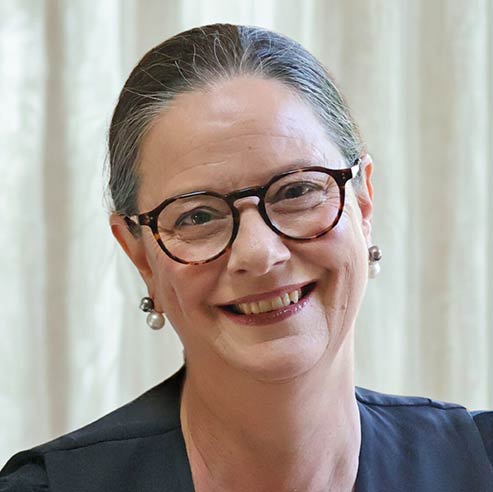
NPSA is the peak body representing Australia’s medicine distribution network. Its CEO Elizabeth Cuming says, “The CSO is designed to meet the challenges of medicine distribution across Australia’s vast geography. It is a unique part of the Australian health system because it ensures people living in rural, regional and remote areas receive the same service at the same price as those in the big cities.
“In Western Australia, for example, the journey of a PBS medicine from Perth to Kununurra covers a distance of approximately 3,000 km. The medicine is airlifted and then transported by road, ensuring it reaches the pharmacy within a day, even if it requires temperature-controlled handling.
Investment in infrastructure and innovation
“With 30% of the population living and working outside of cities, we take our responsibilities very seriously. Over recent decades the NPSA CSO wholesalers have invested heavily in 27 national distribution centres strategically located throughout Australia, along with a specialised workforce, experienced in medicine management.
“Medicines and pharmacy products are our sole focus and this means we’ve been able to concentrate our efforts on innovating and providing advances in health logistics that have kept pace with the complexities of today’s high-care specialty treatments. This is of particular relevance as Australia’s population ages and people move to regional areas.
Strengthening the medicine supply chain
“Partnering with government is a key part of our remit and recently the Commonwealth Government has made a critical investment in the medicine supply chain via a new agreement with the CSO wholesalers ensuring a stable medicine supply chain for a 5-year period. This is of fundamental importance to rural Australians and complements government health initiatives to broaden the frontline health services available in people’s local community pharmacy.
“Medicine shortages are a growing problem and, while they are caused by global supply factors that can’t be solved by the wholesalers, we have an increasing role in managing available onshore stock so there’s fair distribution to rural patients,” Ms Cuming says.
Myo and Ja Seng’s shifts both finish at 10pm but the distribution centre operates 24 hours a day ensuring there are no gaps in service for Australians receiving the medicines they need.