

In rural health, making a difference can start with the courage to step into the unknown. Sometimes, it’s a physio who sees a gap in care and dares to ask, “What if we did this differently?”, or a nurse whose notices patterns in patient readmissions questions “What is causing this?” Across the Darling Downs and South West Queensland, health professionals are stepping into research not because it’s easy—but because they are passionate about their role and their community. They aspire to more than delivering care, they are leading research to improve it.
The Queensland Rural Health Innovation and Research Collaborative (QRHIRC) is helping make this possible. Through its Intensive Research Training Program (IRTP), QRHIRC is building research capacity from within our health services. The program offers four days of block training, guiding participants from the earliest stages of research design through to ethics submission. It’s a hands-on, bespoke model that’s transforming curiosity into capability. What makes IRTP unique is its deeply collaborative structure. Small cohorts of 4–8 health service staff create an intimate, interactive learning environment. Participants receive ongoing mentorship, with deliverables due along the way to keep momentum. Face-to-face workshops and mentorship are made possible through QRHIRC’s partnerships with universities and clinical training organisations—reflecting the power of shared investment in rural health.
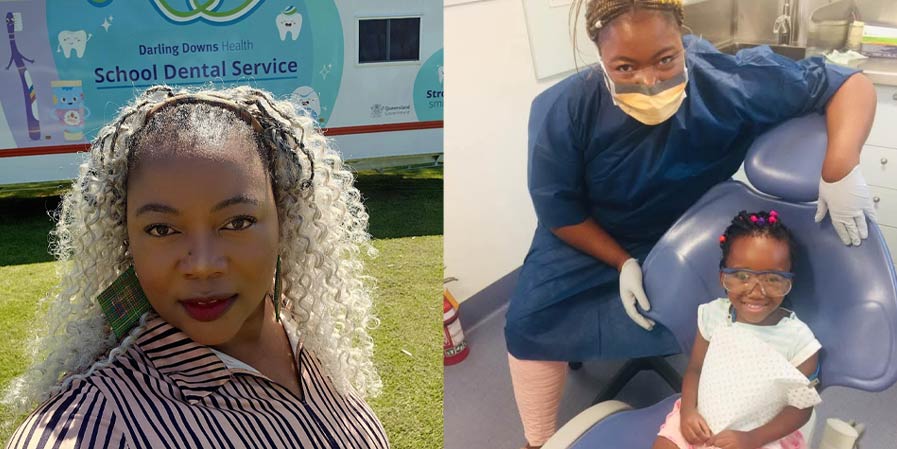
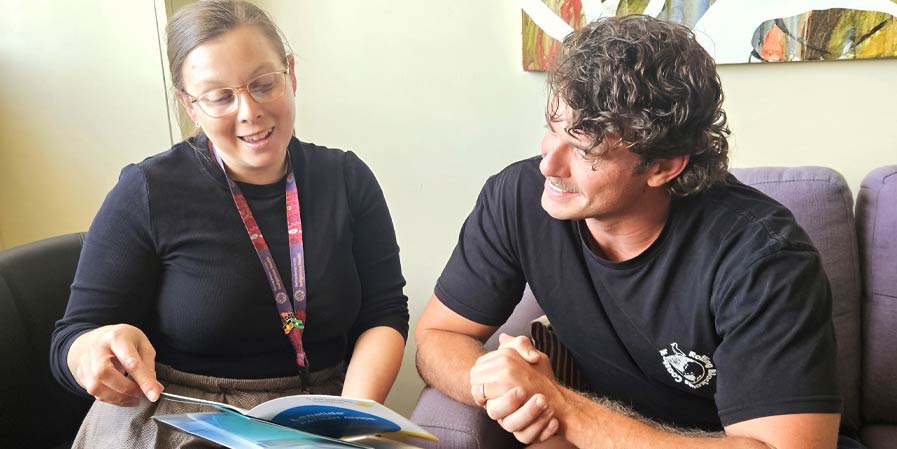
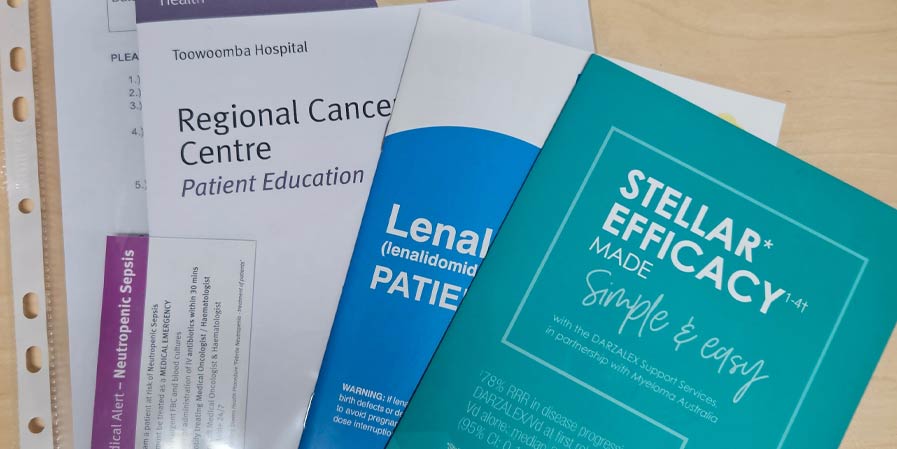
And the results speak for themselves. In the past month, three IRTP participants — Kesa Seledi, Ash Smith, and Craig Smith from Darling Downs Health — have each secured small competitive grants to advance their research projects. Their studies explore important local health issues: parental knowledge and experiences related to children’s tooth decay (Kesa), the impact of pharmacist-led education when starting anticancer treatment (Ash), and a hybrid prehabilitation model suitable for rural patients awaiting knee replacement surgery (Craig). These achievements are more than individual successes — they represent meaningful progress for the communities they serve. Each project stems from a locally identified need, shaped by frontline staff who understand the challenges firsthand and are pursuing translatable research to benefit their community. These staff are leaders and innovators. They are everyday heroes who’ve chosen to ask questions and pursue better answers. In regional and rural health, where resources are stretched and time is precious, embarking on a research journey is a considered and deliberate commitment to healthier communities.
QRHIRC’s IRTP is more than a training program—it’s a catalyst. It’s proving that when health professionals are supported to lead research, they rise to the challenge. They bring insight, empathy, and a fierce dedication to their role and communities. And in doing so, they strengthen the very fabric of our health system. As we celebrate the achievements of Kesa, Ash, and Craig, we also celebrate the collaborations that make their success possible. Because when we invest in people, when we share expertise, and when we nurture budding researchers, we don’t just build research capacity—we build a better future for rural health.
Rural mental health professionals face unique challenges – from professional isolation to high caseloads and limited peer support. But innovative Read more
One third of Australians live in rural, regional, and remote areas. Delivering quality health education, research, and services to these Read more
Rural and remote towns rely on GPs more than any other part of Australia. A single doctor can be the Read more
Grampians Health has launched a dedicated mobile clinical trials unit bringing research, innovation, and care directly to Western Victorian regional Read more